Last updated November 20, 2026
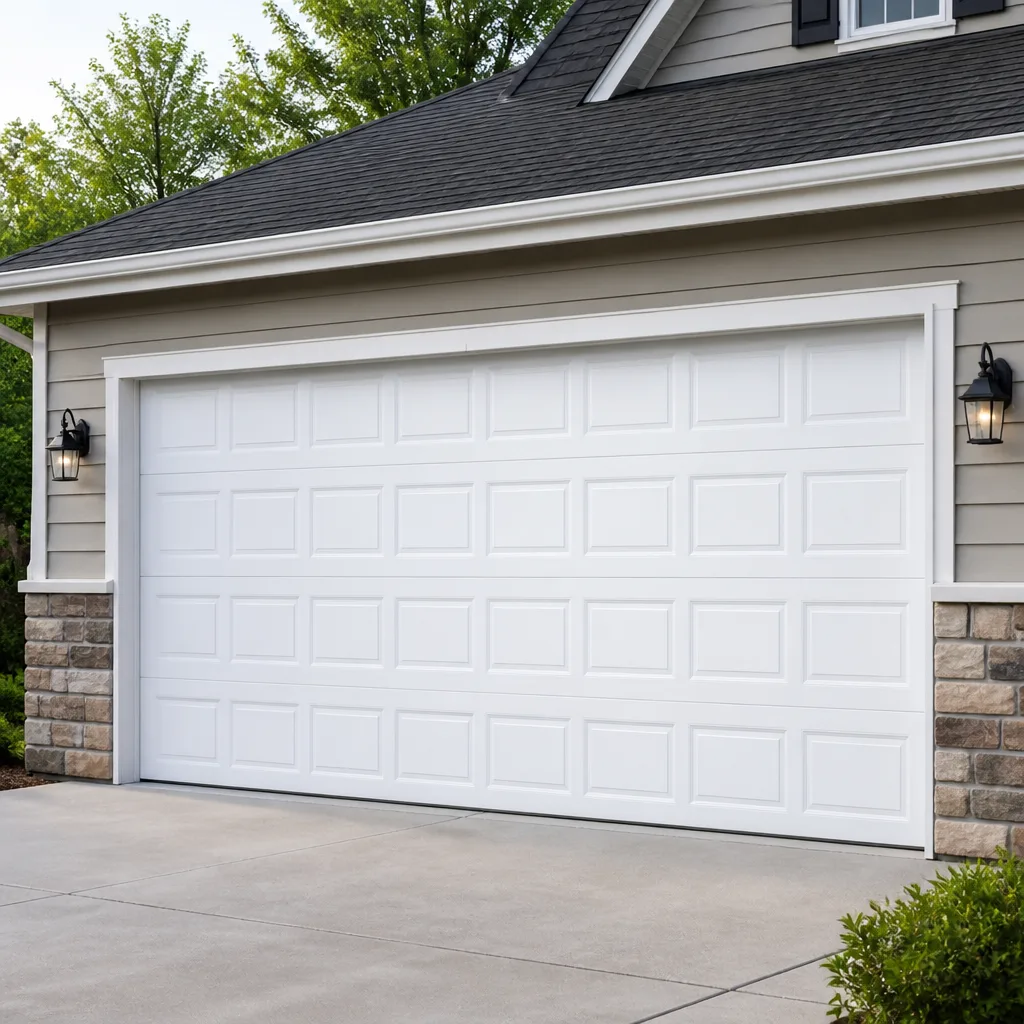 Raised-panel steel
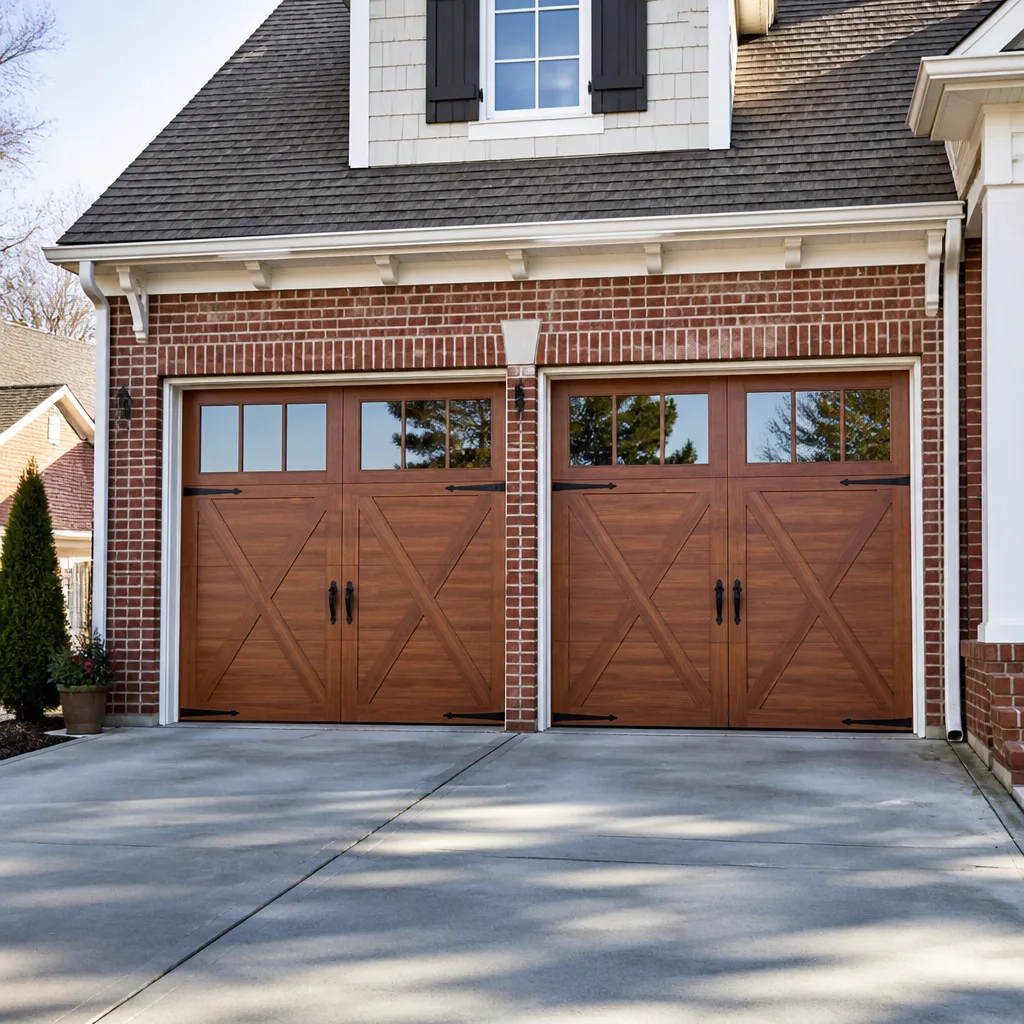 Carriage house
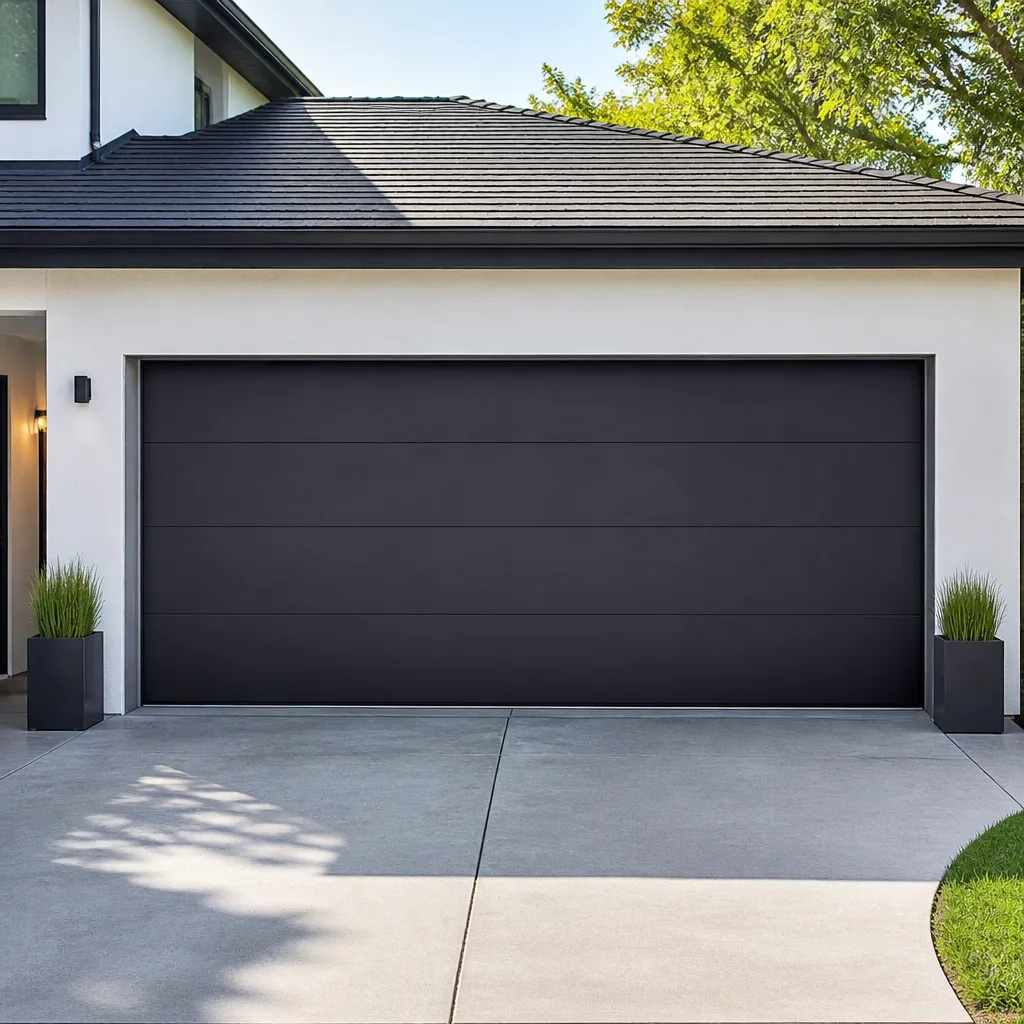 Modern flush
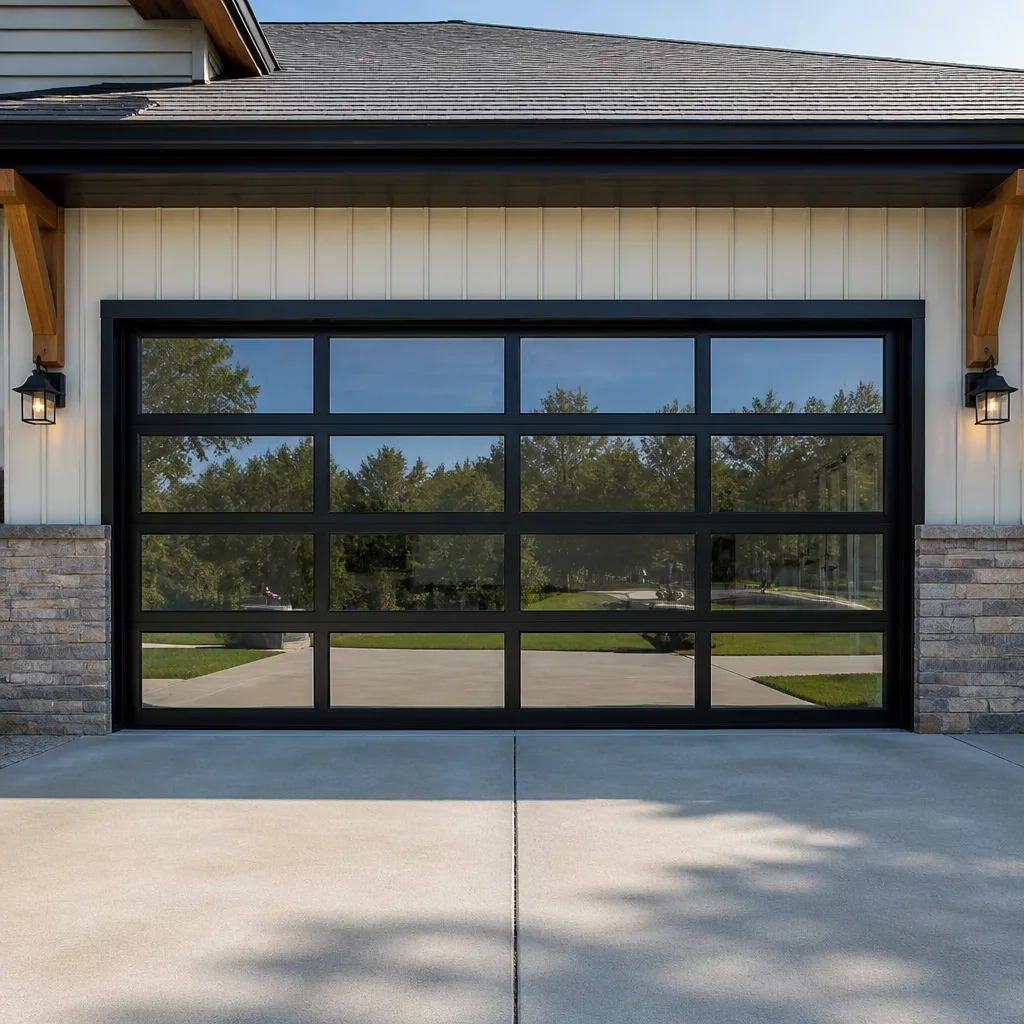 Full-view glass
 LiftMaster openers
 Chamberlain openers
Full 25-point door and opener safety check with every visit - springs, cables, rollers, tracks, and your LiftMaster or Chamberlain opener included
You get a price before we start. It does not change when the pro arrives.
Get your free estimateGarage Door Repair Troubleshooting in Levittown: Common Problems and How to Fix Them
A garage door that reverses before it closes usually isn’t broken at all. Nine times out of ten, it’s a safety sensor doing exactly what it was designed to do, and the “repair” is a realignment, not a new opener. That gap between what a door appears to be doing and what’s actually failing is where most Levittown homeowners lose time, money, and patience. A grinding sound points at one part, a sagging panel points at another, and a dead opener can be a stripped gear or a tripped breaker. This guide maps the symptoms you’re seeing back to the failure causing them, so you fix the right thing the first time instead of buying parts that don’t solve the problem.
Quick Answer
Most garage door problems in Levittown trace back to five systems: power, safety sensors, springs, cables, and tracks. Work through them in that order before assuming you need a major repair. Reversal and sensor faults are usually safe to diagnose yourself. Springs and cables are not, because they store dangerous tension that can cause serious injury, and those always call for a trained technician. Match your symptom to its cause first, then decide whether it’s a five-minute fix or a service call.
Styles & brands we work with
- Raised-panel steel
- Carriage house
- Modern flush
- Full-view glass
- LiftMaster openers
- Chamberlain openers
Table of Contents
- The symptom-to-cause matrix
- The order-of-operations checklist
- Why your door reverses before closing
- Reading your opener’s diagnostic blink codes
- Springs and cables: where DIY stops
- How Levittown’s climate and housing wear doors down
- Grinding noises, sagging panels, and slow movement
- Remote and opener failures
The Symptom-to-Cause Matrix: What Your Door Is Telling You
The fastest way to troubleshoot is to stop listening to the symptom and start reading it as a signal. A garage door is a mechanical system with a handful of moving parts that fail in predictable ways. When one part goes, the door behaves in a specific pattern, and that pattern tells you where to look. Here’s how we map the behaviors we see across Levittown to the actual failure behind them.
- Door reverses before closing: Almost always a safety sensor problem, not a door problem. The sensors are misaligned, dirty, or blocked by an object in the opening.
- Door reverses after touching the floor: A force limit set too low on the opener, or a track or roller dragging against the door’s travel.
- Grinding or scraping as it moves: Worn or seized rollers, dry hinges, or a track that has bent out of alignment. Sometimes a frayed cable rubbing the drum.
- One side sags or hangs lower: A snapped or stretched spring on that side, or a cable that has jumped its drum. This is a tension issue, not a panel issue.
- Door won’t move at all and the opener hums: A stripped opener gear, a broken torsion spring, or a manual lock still engaged.
- Opener dead, no sound, no light: Power or logic board. Check the breaker and outlet before anything else.
- Door moves a few inches and stops: Travel limits out of adjustment, or an obstruction the opener is detecting mid-travel.
- Remote works only up close: Weak battery, antenna wire, or interference from a device in the garage.
In our experience, the single biggest time-waster is replacing a part because its symptom matched, without confirming the cause underneath. A homeowner hears grinding, buys new rollers, and the noise continues because the real problem was a bent track pushing the door against those rollers. Map first, then fix.
The Order-of-Operations Checklist
Before you touch a single part, run the diagnosis in the right order. Skipping steps is how people misdiagnose a simple issue as a major one and waste money on parts they didn’t need. This sequence goes from safest and cheapest to check up to the parts that demand professional handling.
- Power. Confirm the opener has power. Check the wall outlet, the circuit breaker, and whether the opener’s light comes on. A “dead” opener is often a tripped breaker or an unplugged cord.
- Safety sensors. Look at the two sensors at the bottom of the tracks on each side. Each should have a steady light. If either is dark or flickering, clean the lenses, check alignment, and clear anything blocking the beam.
- Springs. With the door closed and the opener disconnected, look at the spring above the door. A torsion spring that has failed shows a visible gap where it broke. A stretched extension spring looks longer than its pair. Do not attempt to adjust or replace any spring yourself.
- Cables. Inspect the cables running along the sides and over the drums. Fraying, slack, or a cable off its drum means stop immediately and call a professional. Cables are under high tension.
- Tracks and rollers. Look for bent track sections, rollers out of the channel, or debris. Check that hinges move freely and aren’t rusted solid.
- Opener settings and diagnostics. If everything mechanical looks sound, read the opener’s blink codes (covered below) before assuming the unit needs replacing.
This order matters because each step rules out a category of failure. If you jump straight to the opener and it’s fine, you’ve learned nothing about the springs. Run the list top to bottom every time and the answer usually surfaces by step four. That’s the same discipline our technicians apply on every garage door repair visit in Levittown.
Why Your Door Reverses Before Closing (And Why That’s Often Correct)
A door that reverses before closing is usually not broken. It’s the safety reverse system doing its job, and the fix is almost always at the sensors, not inside the opener. The two photo-eye sensors sit a few inches off the floor on either side of the opening. They shoot an invisible beam across the doorway. If anything interrupts that beam, the door reverses on purpose to avoid crushing whatever is there.
Here’s what to check, in order, when your door won’t stay down:
- Dirty lenses. Dust, cobwebs, and pollen cloud the sensor eyes. Wipe both lenses with a soft cloth.
- Knocked alignment. A bump from a trash can, a bike, or a car can nudge a sensor off aim. Each sensor should have a steady light. If one is dark, gently adjust until the beam reconnects and the light steadies.
- Sunlight interference. Direct sun hitting a sensor can blind it. A small shade or repositioning can solve what looks like an electrical fault.
- Obstruction. A child’s toy, a shovel, or the family pet’s bed left in the opening trips the reverse every time.
- Wiring. If the lights won’t come on no matter how you adjust, the wiring to the sensors may be damaged. That’s a technician call.
If the sensors are clean, aligned, and lit, and the door still reverses, the problem may be in the force settings or the opener’s logic. That’s when reading the diagnostic codes saves you from guessing. We work on the sensor and safety systems of every major opener, from a LiftMaster to a Genie, so the diagnosis fits your equipment rather than a generic script.
Reading Your Opener’s Diagnostic Blink Codes
Most openers built in the last couple of decades have a diagnostic system that flashes the light on the unit in a pattern whenever something fails. Most homeowners don’t know it exists, which means they call for service without ever asking the opener what it thinks is wrong. The blink code is the opener’s own report of the fault, and it narrows the diagnosis fast.
The pattern works like this: when the opener detects a problem, the overhead light flashes a set number of times, pauses, then repeats. The count of flashes corresponds to a specific fault in the owner’s manual’s diagnostic table. Common examples across the major brands:
- One or two flashes: usually a sensor or wiring fault. Check alignment and the wire run to the sensors.
- Three to five flashes: often travel limits, force limits, or an obstruction the opener detects mid-cycle.
- Six or more flashes: frequently points at the logic board or motor, which is a technician diagnosis.
The exact table differs by brand and model. A Chamberlain or LiftMaster unit has its own code list, and a Genie or Craftsman has another. The point is to look at the light, count the flashes, and match them to the manual before you spend a dime. It’s the single most underused diagnostic tool in the trade. When the code points at the opener itself, that’s the moment to bring in a specialist for garage door opener repair rather than replace a unit that may only need a gear, a board, or a capacitor.
Springs and Cables: Where DIY Stops and Professional Repair Begins
Springs and cables are the parts of your garage door that carry the door’s weight, and they store an enormous amount of tension. This is the clear line between troubleshooting you can safely do and work that belongs to a trained technician. A torsion spring under load can cause severe injury if it releases unexpectedly, and cable work involves the same stored force. We don’t hand out step-by-step instructions for either, because the risk isn’t worth it and a real expert will tell you the same.
What you can safely do is recognize the signs that these parts have failed, so you know what you’re dealing with before you call:
- A visible gap in the torsion spring above the door means it has snapped. The door may feel impossibly heavy or won’t lift at all.
- A door that lifts a few inches and stops often has a broken spring the opener can’t overcome.
- A door that hangs crooked points to a broken spring on one side or a cable that’s come off its drum.
- Frayed, slack, or kinked cables along the sides are a stop-and-call signal. Don’t operate the door.
- A loud bang from the garage with no other obvious cause is the classic sound of a torsion spring failing.
When a spring breaks, the door becomes dangerous to operate, and forcing it with the opener can damage the motor and the panels. This is specialized work, which is why we treat garage door spring repair as a dedicated service rather than an afterthought. A matched pair of springs is usually replaced together, since the second spring has absorbed the same wear as the one that failed. If one side has failed in your Levittown home, expect the other to follow soon.
How Levittown’s Climate and Housing Wear Doors Down
Levittown’s housing stock and its weather create a specific set of garage door failure patterns that a generic troubleshooting guide won’t mention. The community’s famously uniform postwar homes mean thousands of garages share similar dimensions and similar door types, and the region’s freeze-thaw cycles work on those doors season after season. Understanding how the local climate stresses the hardware helps you predict what’s likely to fail and why.
Freeze-thaw is the big one. Through the colder months, moisture works into small gaps, freezes, expands, and thaws repeatedly. That cycle does a few things to a garage door:
- Track contraction and shifting. Metal tracks expand and contract with temperature swings. Over seasons, a track can work itself slightly out of alignment, which shows up as a door that binds or scrapes on one side.
- Rust-seized rollers and hinges. Damp winter air and road moisture tracked in on vehicles accelerate corrosion on steel rollers and hinges, which then grind instead of rolling smoothly.
- Stiff springs in cold weather. Cold metal is less flexible, and a spring already near the end of its life is more likely to fail on a cold morning than a mild one.
- Panel warping and seal shrinkage. Wood and composite panels can swell and shrink with moisture, and the bottom weather seal stiffens and cracks, letting drafts and water in.
The practical takeaway for a Levittown homeowner is to lubricate moving parts before the cold sets in, watch the tracks for seasonal drift, and listen for new noises in the first cold snap. Those small habits head off a lot of the grinding and binding we get called out for. If your door has started complaining as the seasons change, that’s often a maintenance issue before it’s a repair issue.
Grinding Noises, Sagging Panels, and Slow Movement
Noise and sluggish movement are the slow-burn symptoms homeowners live with for months before they call. A grinding door is telling you something is dragging, and a slow door is telling you the system is working harder than it should. Left alone, both accelerate wear on the opener and the door. Here’s how to read them.
Grinding and scraping: Start with the rollers and hinges. Steel rollers that have lost their bearings or rusted will grind against the track. A dry hinge squeaks and then grinds. If lubrication doesn’t quiet it, check whether a track section is bent or a roller has popped out of the channel. A frayed cable rubbing the drum also produces a scraping sound and needs a professional look.
Sagging or crooked panels: A door that hangs unevenly is usually a tension problem, not a panel problem. One spring carrying more load than the other, or a cable off its drum, will pull the door to one side. Don’t try to correct this at the panels; the cause is up top in the spring and cable system, which means a technician.
Slow or labored movement: A door that moves more slowly than it used to, or strains to open, may have a spring losing tension, a binding track, or an opener working against resistance. Cold weather makes this more pronounced. If the door feels heavy when you lift it by hand with the opener disconnected, the springs are the likely culprit.
In our experience, the order you check these in matters as much as the symptoms. Lubrication and track inspection are safe starting points. Anything that points to spring tension, cable position, or a door hanging crooked goes straight to a professional, because those systems carry the force that makes a garage door dangerous to work on without training.
Remote and Opener Failures: When the Problem Isn’t the Door
Sometimes the door is fine and the opener or remote is the problem. These failures look like door problems but live entirely in the electronics, and the fix is often simpler than homeowners expect. When the door won’t respond at all, work from the remote outward.
- Remote battery. The most common cause of a remote that “stopped working.” Replace the battery and retest before anything else.
- Wall control. If the wall button opens the door but the remote doesn’t, the issue is the remote or the receiver, not the door.
- Antenna and line of sight. The opener has a small antenna wire hanging from the unit. If it’s been pushed aside or damaged, range drops. Interference from LED bulbs or a device in the garage can also block the signal.
- Remote programming. A remote can lose its programming after a power surge or a new battery. Reprogramming per the manual restores it.
- Logic board and gear. If the opener hums but the door doesn’t move, a stripped drive gear is a common cause in older units. If the opener is completely dead with power confirmed, the logic board is suspect. Both are technician repairs, not replacements by default.
This is where brand familiarity pays off. A Craftsman opener from a certain era has known gear failures, a Chamberlain has its own board quirks, and a Clopay door pairs with specific opener force settings. When the electronics are the problem, the right diagnosis depends on knowing the equipment. That’s the core of how we approach garage door opener repair and why we work on your brand, not ours.
Common Mistakes to Avoid
- Replacing the opener when the spring is broken. A humming opener that won’t lift the door is often fine; a snapped torsion spring is the real problem. Diagnose the springs before spending on an opener.
- Buying parts by symptom. New rollers won’t fix a grinding door if a bent track is the cause. Confirm the failure before you buy anything.
- Attempting spring or cable work yourself. These parts store dangerous tension and cause serious injuries when handled without training. This is the one area where “I’ll just try it” is the wrong call every time.
- Skipping the power and sensor check. A “dead” door that’s actually a tripped breaker, or a “broken” door that’s a dirty sensor, wastes a service call you didn’t need.
- Ignoring the blink codes. Your opener tells you what’s wrong if you count the flashes and check the manual. Most people never look.
- Forcing a heavy or crooked door. Running the opener against a broken spring or an off-track door damages the motor and the panels, turning a repair into a replacement.
- Letting seasonal maintenance slide. In Levittown’s freeze-thaw climate, unlubricated rollers and drifting tracks turn small issues into bigger ones by spring.
See the difference
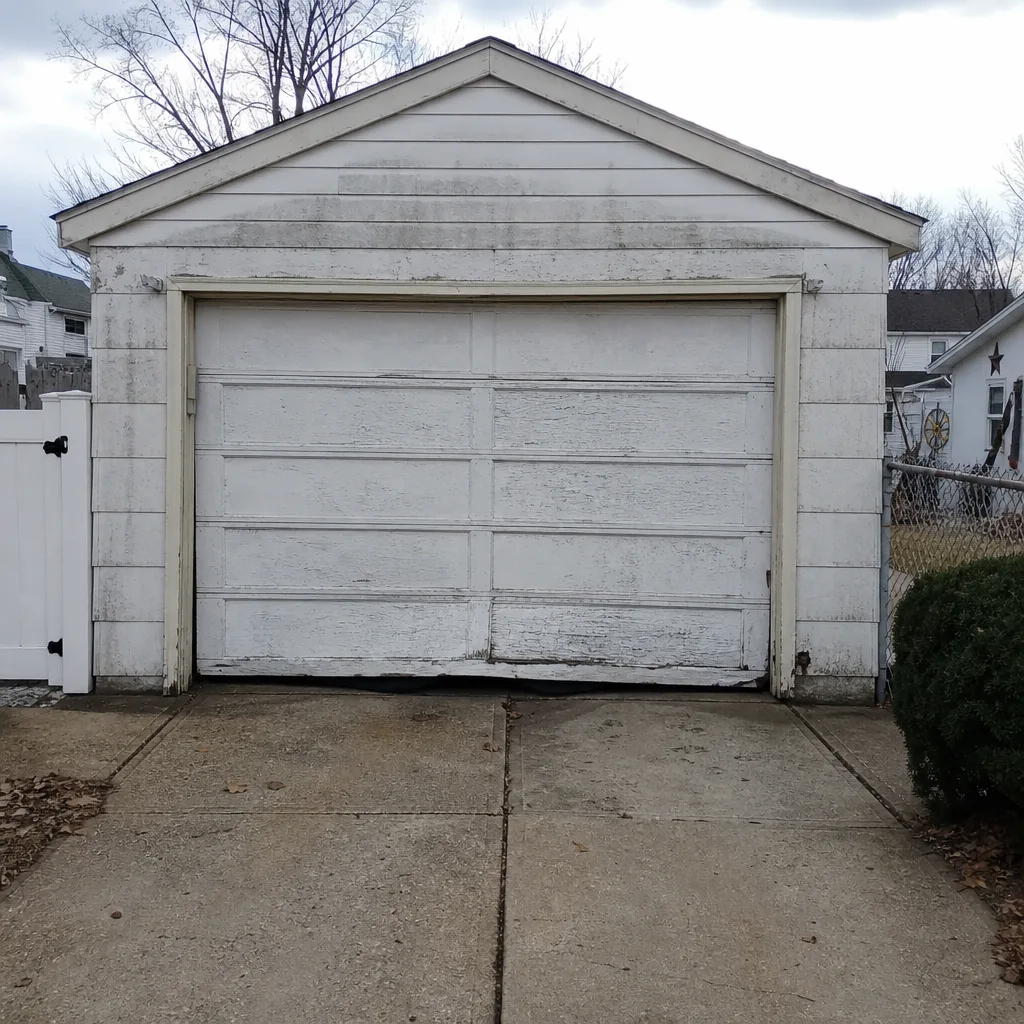 Before
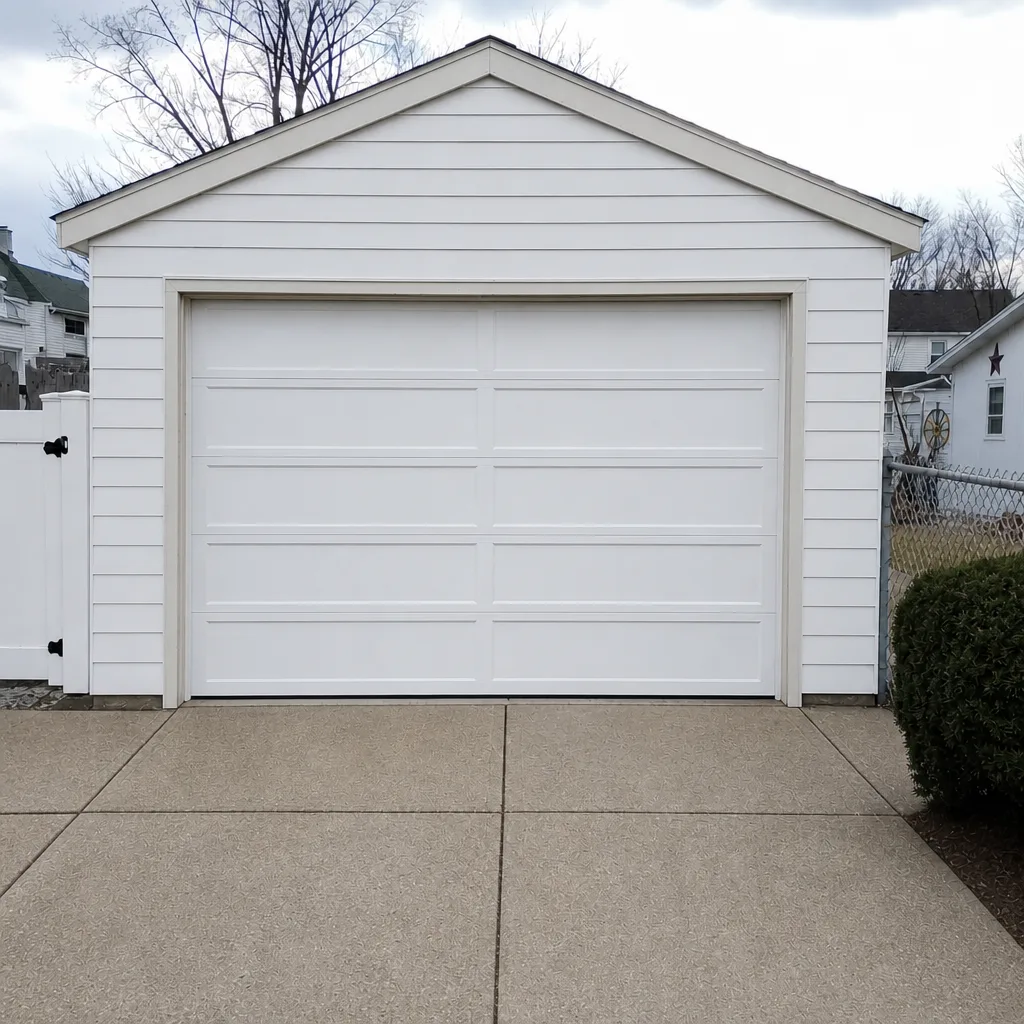 After
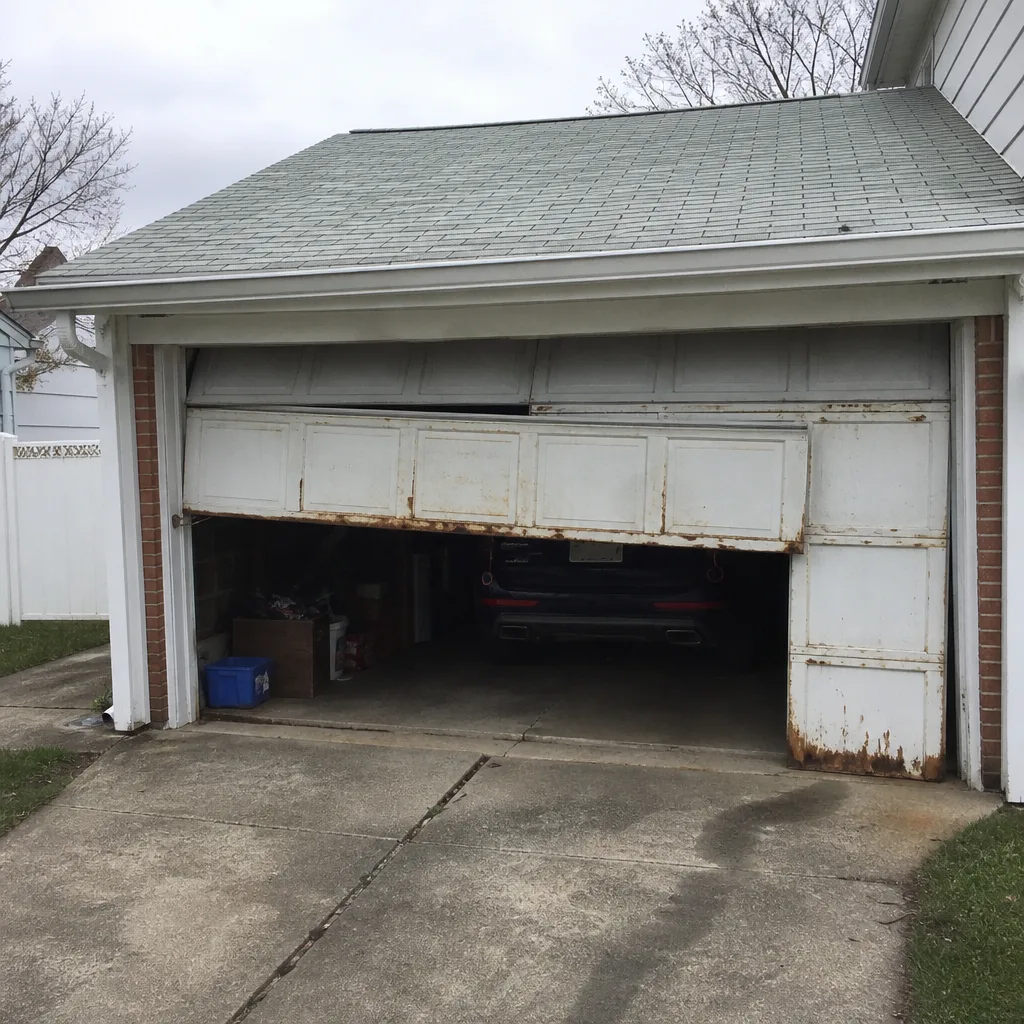 Before
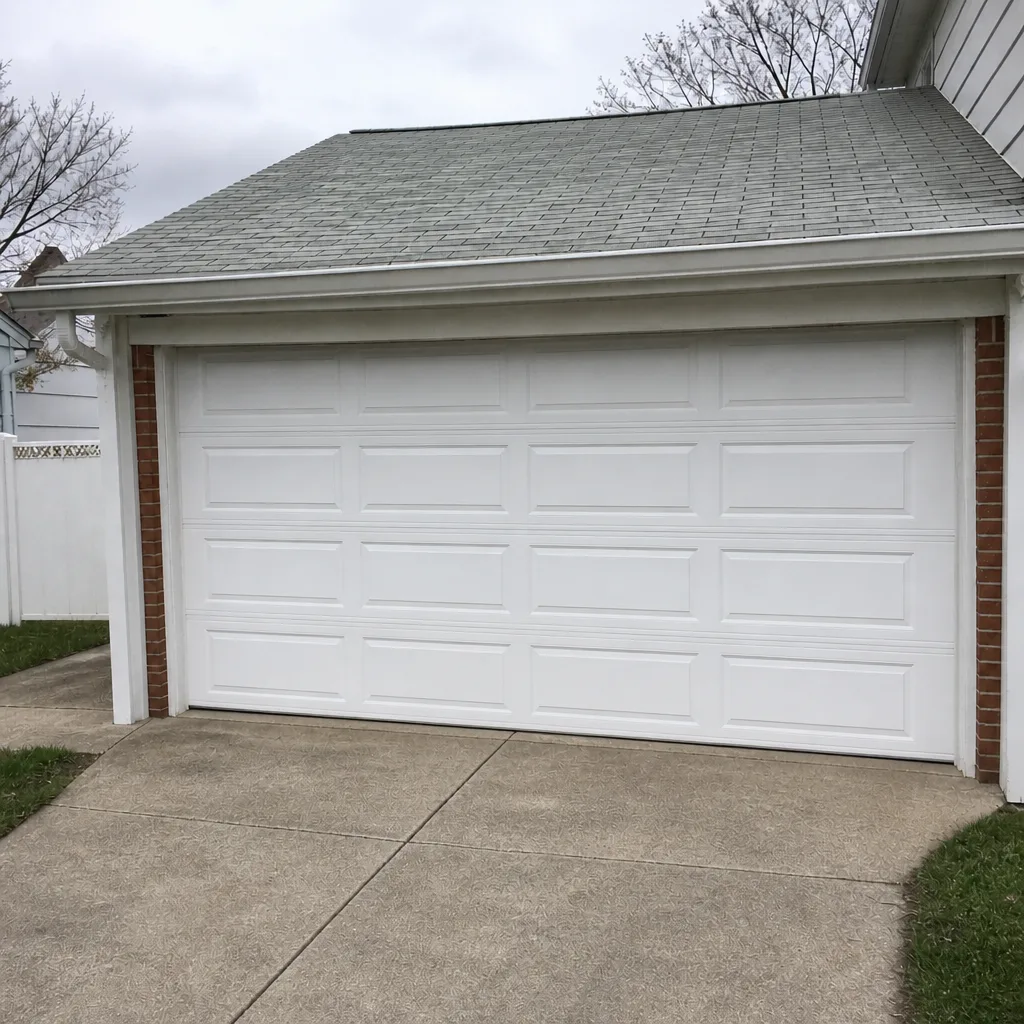 After
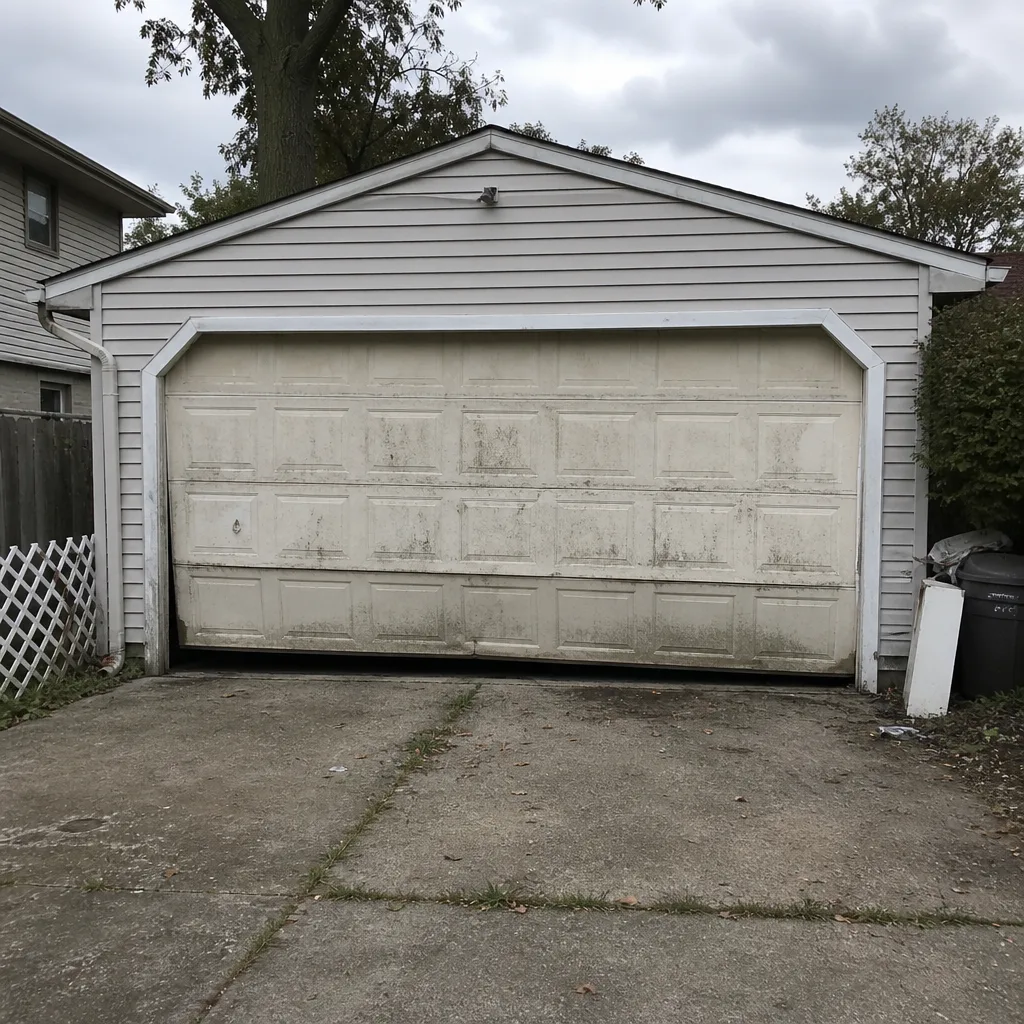 Before
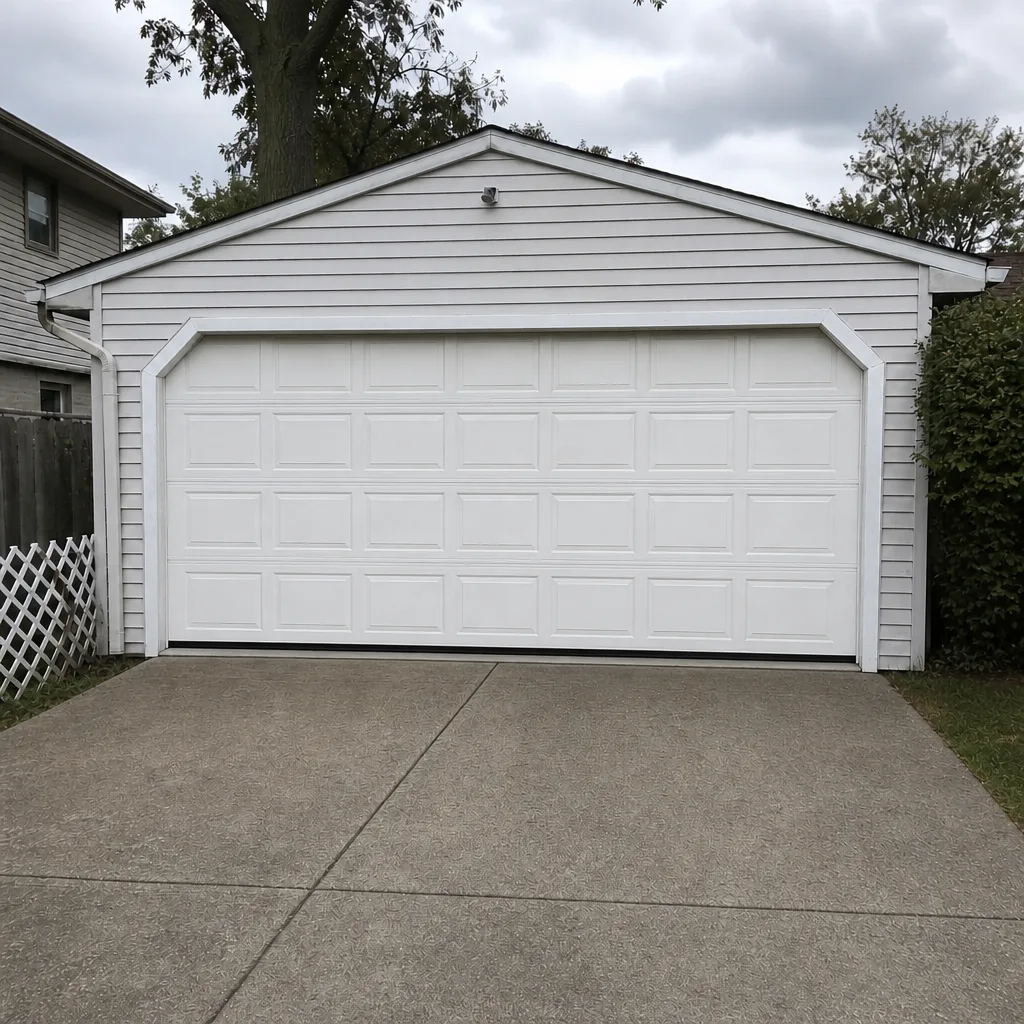 After
When to Call a Professional
Some problems are safe to diagnose and fix yourself, and some aren’t. A dirty sensor, a dead remote battery, a misaligned photo eye, or a track you can nudge back into line are all reasonable DIY territory. Everything involving springs, cables, or a door that hangs crooked or feels dangerously heavy belongs to a trained technician. So does any opener fault that points to the logic board, the drive gear, or the motor. If you’re unsure which category your problem falls into, the safe answer is to have it looked at. The second fear, after the breakdown itself, is an invoice bigger than the quote. We quote and agree the price before any work starts, so you know the number up front. Levittown Garage Door Repair Experts offers free estimates in Levittown – call (877) 770-2029. Our technicians have up to 11 years of experience and service whatever brand is on your home.
Frequently Asked Questions
Your safety sensors are almost certainly the cause. The two photo-eye sensors at the base of the tracks shoot a beam across the doorway, and if it’s blocked, dirty, or misaligned, the door reverses by design. Clean the lenses, check that both sensors have a steady light, and clear any obstruction. If the lights won’t steady, call (877) 770-2029 for a diagnosis – estimates are free.
No. A torsion or extension spring stores a large amount of tension, and handling it without training can cause severe injury. A broken spring usually shows a visible gap and leaves the door too heavy to lift. Stop operating the door and have a technician replace it. We treat garage door spring repair as dedicated work for exactly this reason.
The flashes are diagnostic blink codes that tell you which fault the opener has detected. Count the number of flashes, note the pause, and match the count to the diagnostic table in your owner’s manual. A few flashes usually points at sensors or travel limits; more flashes often points at the logic board or motor, which needs a technician. Call (877) 770-2029 if the code points at the unit itself.
Grinding usually means worn or seized rollers, dry hinges, or a track that’s out of alignment, and a slow door often means a spring losing tension or a binding track. Start with lubrication and a track inspection. If the door feels heavy when lifted by hand with the opener disconnected, the springs need professional attention. Call for a free estimate before the wear spreads to the opener.
Yes. Freeze-thaw cycles are hard on garage doors. Metal tracks contract and drift out of alignment, steel rollers and hinges corrode and seize, and springs stiffen and fail more often in cold weather. Lubricating moving parts before the cold sets in and watching for new noises in the first cold snap prevents a lot of the grinding and binding we see in Levittown.
No. We quote and agree the price before any work starts, so the written estimate is the price. If we find something different once we’re in, we talk it through with you before touching anything. Call (877) 770-2029 for a free estimate – you’ll know the number before the work begins.
The Bottom Line
Troubleshooting a garage door is about reading the symptom as a signal, not chasing the noise. Run the order-of-operations checklist – power, sensors, springs, cables, tracks – and you’ll usually find the real cause before you spend a dime on parts. Reversals are often sensors working correctly. Grinding and slow movement point at rollers and tracks, while sagging and heaviness point at springs and cables. Those last two are the parts that carry dangerous tension and belong to a trained technician, every time. Read your opener’s blink codes before you call anyone, and let the machine tell you what’s wrong. When it’s beyond a DIY fix, that’s exactly what we’re here for. For a free estimate anywhere in Levittown, call (877) 770-2029. Our technicians have up to 11 years of experience, and we work on your brand, not ours. If you want the full picture of what we do, start with Levittown Garage Door Repair Experts.
Written by the team at Levittown Garage Door Repair Experts.