Last updated November 20, 2026
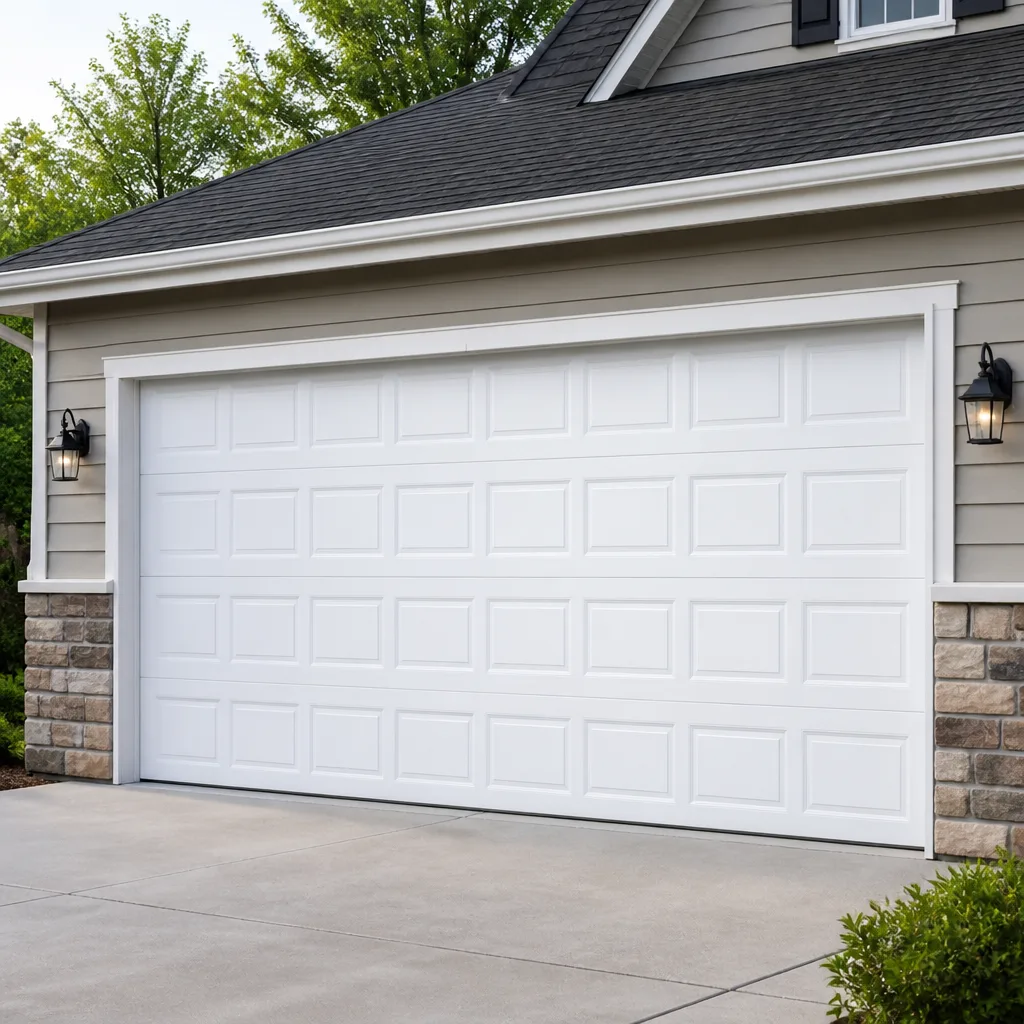 Raised-panel steel
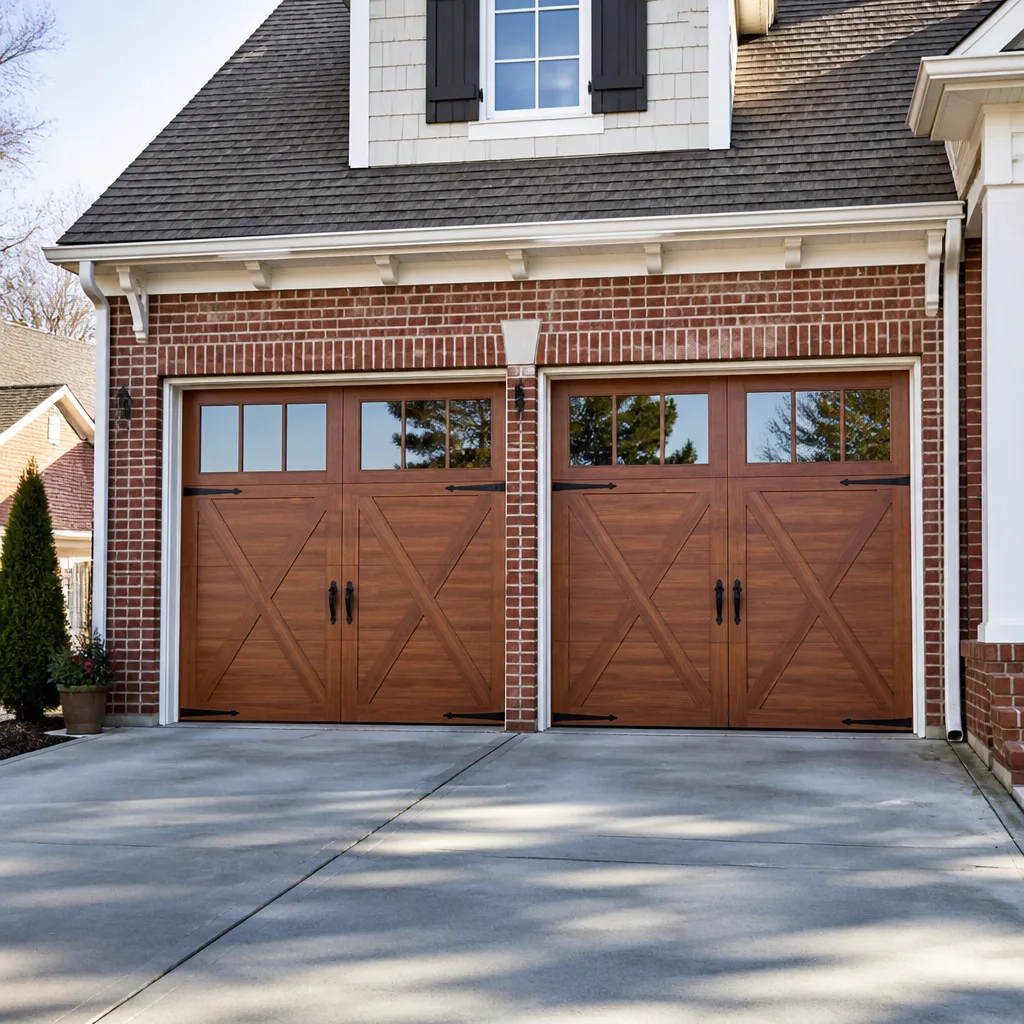 Carriage house
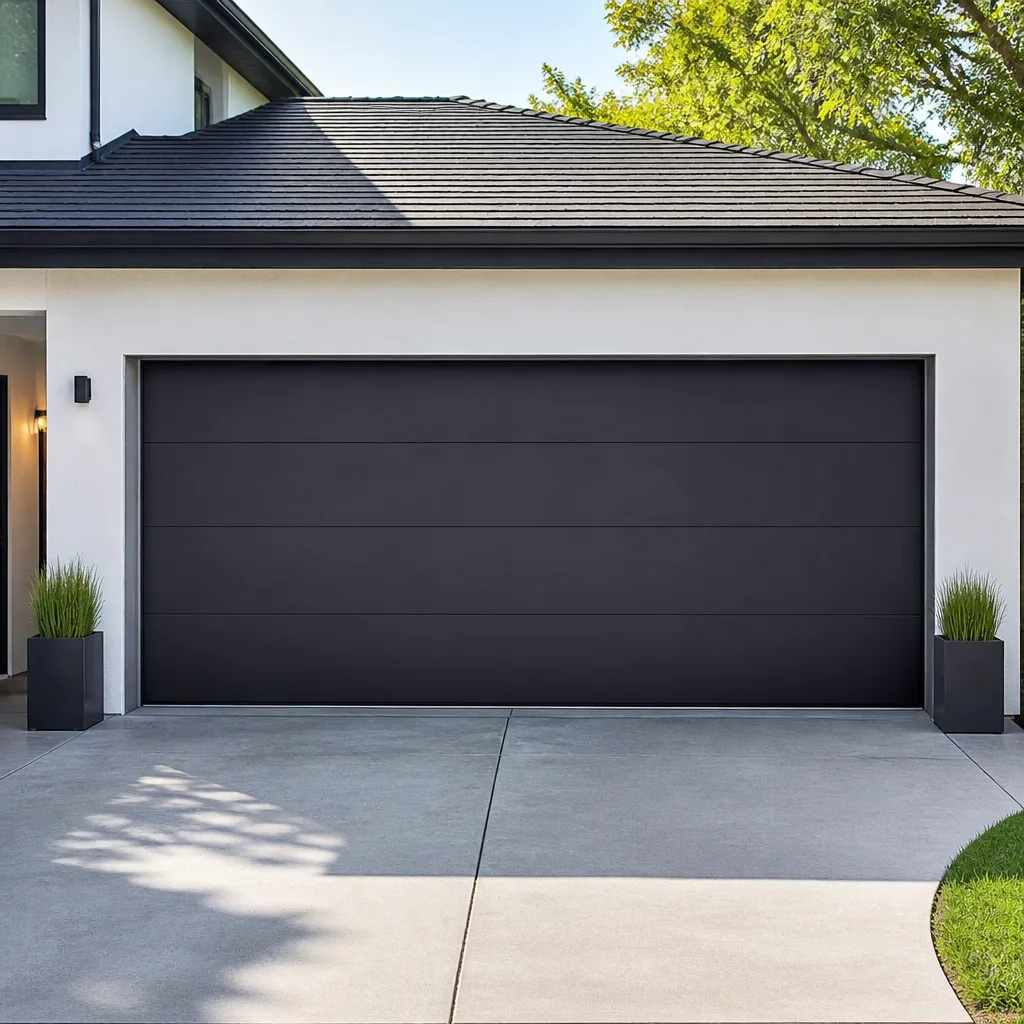 Modern flush
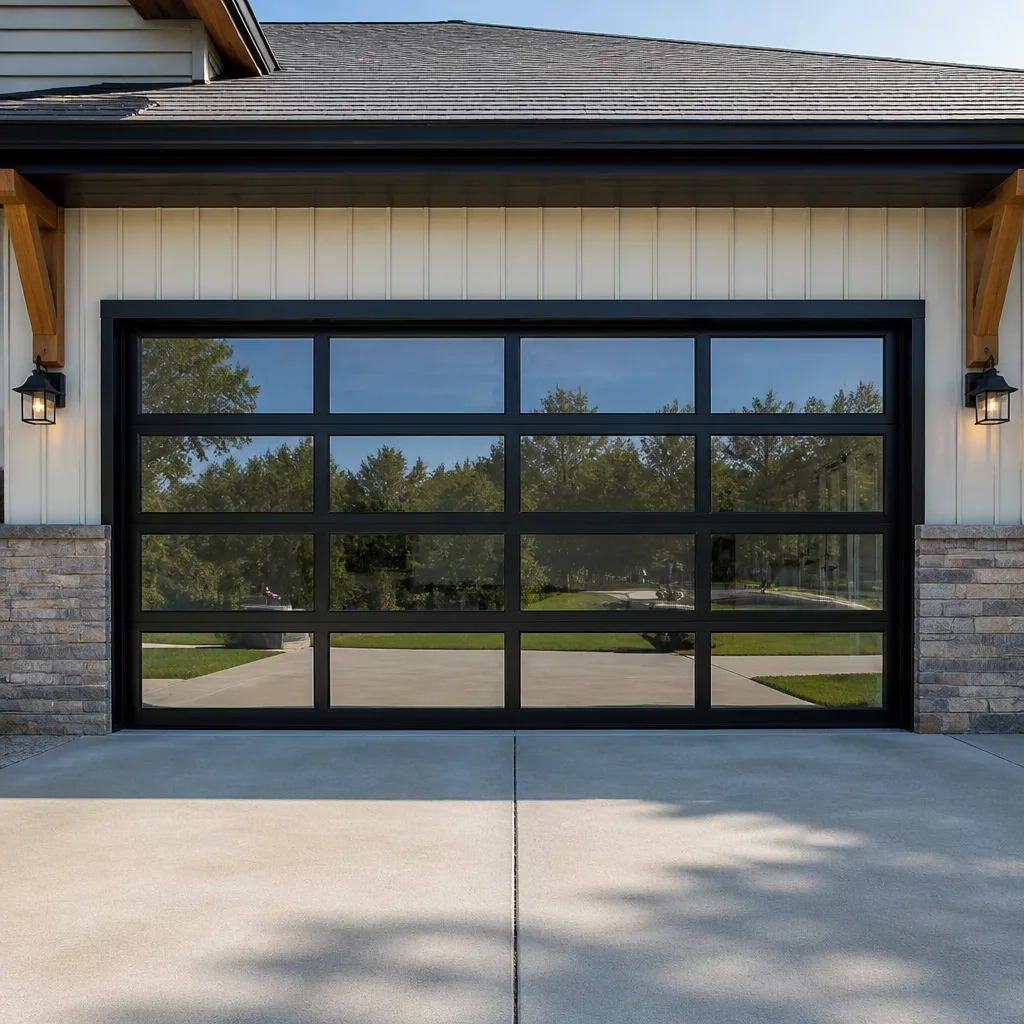 Full-view glass
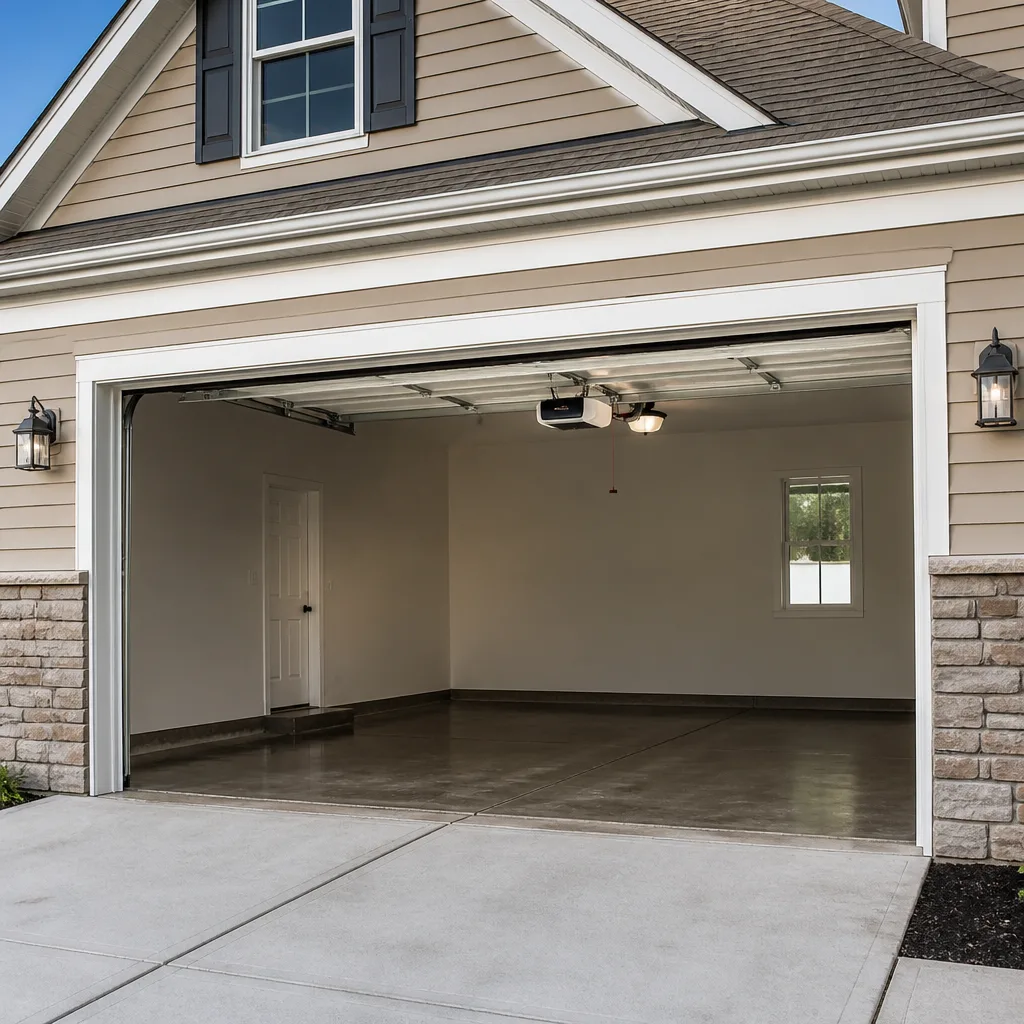 LiftMaster openers
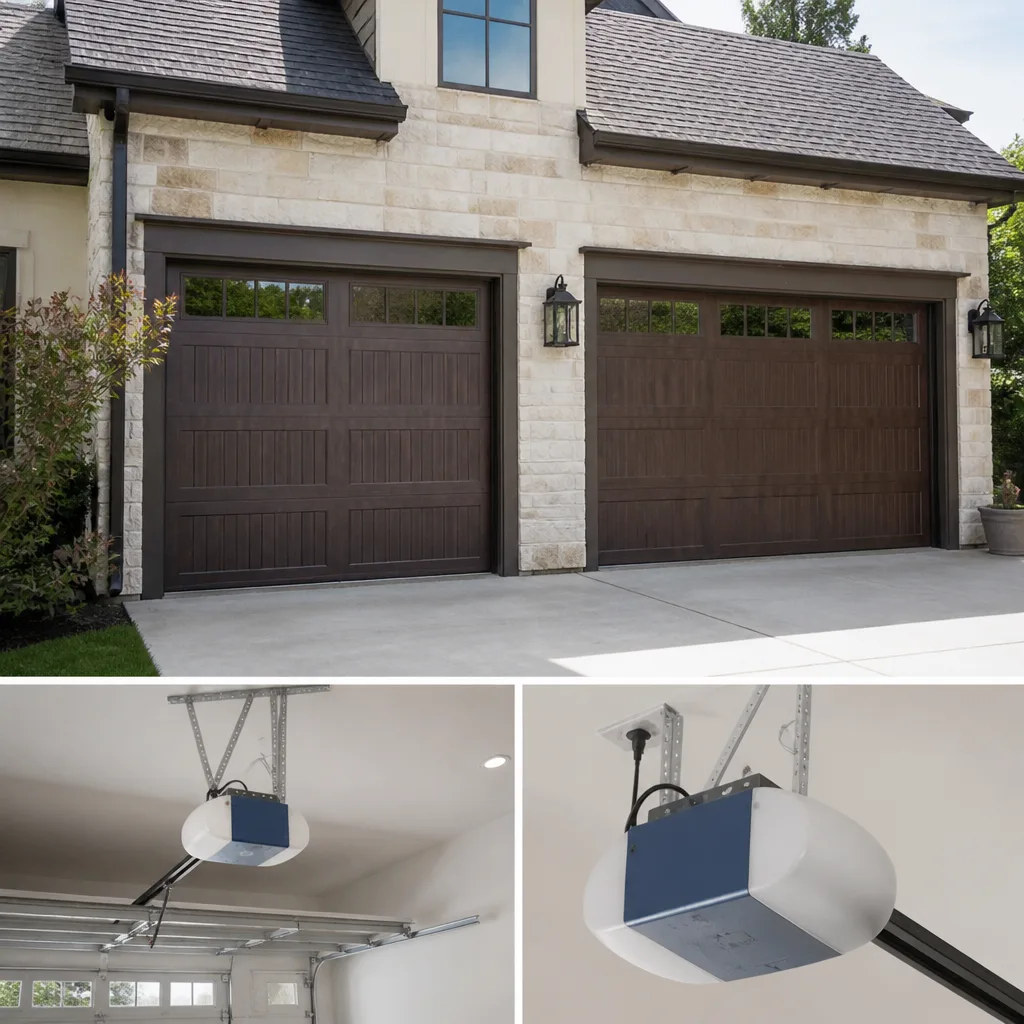 Chamberlain openers
Full 25-point door and opener safety check with every visit - springs, cables, rollers, tracks, and your LiftMaster or Chamberlain opener included
You get a price before we start. It does not change when the pro arrives.
Get your free estimateSeasonal Garage Door Care for Levittown: Year-Round Homeowner’s Guide
Most homeowners assume a garage door breaks in summer, when the heat makes everything feel like it’s straining. In our experience around Levittown, that’s backwards. The failures pile up in the cold, and the reason is mechanical rather than mysterious: steel contracts when it cools and expands when it warms, and every swing back and forth works the metal of a torsion spring a little harder. A Levittown winter hands your door dozens of those swings, and the wear shows up as a snap on a cold morning when you’re already late.
This guide maps the Levittown calendar to the failure modes each season actually produces. You’ll learn what to inspect and when, which hardware points give out first, what a bottom seal should be made of here, and how road salt travels from your driveway onto the moving parts of your door. By the end you’ll have a maintenance rhythm you can run yourself, plus a clear line for when a job belongs to a trained technician.
Quick Answer
Seasonal garage door care in Levittown means matching maintenance to the weather: inspect and lubricate moving parts in spring after the last frost, watch wood sections for humidity damage through summer, tighten and treat hardware in fall before the freeze-thaw cycle starts, and keep springs, cables and rollers balanced through winter when cold makes metal brittle. Most of the work is visual inspection and lubrication you can do yourself; spring, cable and opener repairs need a trained technician because those components store dangerous force.
Styles & brands we work with
- Raised-panel steel
- Carriage house
- Modern flush
- Full-view glass
- LiftMaster openers
- Chamberlain openers
Table of Contents
- Why Levittown’s Climate Is Hard on Garage Doors
- Spring: The Post-Winter Inspection Sequence
- Summer Humidity and Wood Door Sections
- Fall Prep: The Hardware That Fails Under Freeze-Thaw
- Winter: When Doors Get Heavy and Springs Snap
- Why Bottom Seals Fail Faster Here (and the Right Spec)
- How Driveway Salt Reaches Your Door Hardware
- Your Levittown Seasonal Maintenance Calendar
Why Levittown’s Climate Is Hard on Garage Doors
Levittown sits in a climate that swings hard in both directions. Summers run humid enough that wood swells and paint blisters. Winters drop below freezing often enough that the ground heaves, driveway slabs shift, and every metal component on your door expands and contracts with the temperature. That combination is harder on a garage door than either a wet climate or a cold one on its own, because the door never settles into one state long enough to stop moving.
The single most important thing to understand is what freeze-thaw does to a torsion spring. A torsion spring holds the entire weight of the door, and it’s under tension every hour of the day, not just when the door moves. When the temperature drops, the steel contracts. When it warms, the steel expands. Each cycle is small, but the fatigue adds up over a winter. That’s the mechanical reason spring failures cluster in the coldest weeks rather than in July, and it’s why a spring that looks fine in October can be the thing that strands you in January.
Levittown’s housing stock adds its own quirks. A lot of the homes here were built with attached garages that share a wall with living space, which means the garage is rarely as cold as the outside air. That half-warm environment is actually tougher on wood and seals than a genuinely cold one, because moisture moves back and forth instead of freezing solid and staying there. Sections swell, dry, swell again. Seals harden at the top of the cycle and crack at the bottom.
The good news is that all of this is predictable. Once you know which season produces which failure, you can head most of them off with an hour of inspection twice a year and a technician visit when something looks worn. That’s what the rest of this guide is for.
Spring: The Post-Winter Inspection Sequence
Spring in Levittown is when the door comes out of a hard season, and it’s the right time to look over everything the cold has been working on. Do this after the last hard frost, before the door starts getting heavy daily use again. Work through the sequence below in order, top to bottom, and stop if anything looks wrong at a step that involves springs or cables.
- Look at the door from outside, closed. Stand back and check that the bottom edge sits level across the opening. A door that’s higher on one side than the other is a sign the springs are unbalanced or a cable has slipped.
- Check the torsion spring above the door. Look for a visible gap in the coil. A torsion spring that has broken shows a clean separation, usually about a hand’s width. If you see that gap, don’t touch the door or the spring. Call a technician.
- Inspect the lift cables on both sides. They should be taut and wound evenly on the drums. Fraying, kinks or cable wound over itself means the door needs professional attention before you run it again.
- Test the balance by hand, with the opener disconnected. Lift the door halfway and let go. It should stay put. If it drops or rises on its own, the spring tension is off and a technician should adjust it.
- Wipe and lubricate the moving parts that are safe to touch: rollers, hinges and the tracks themselves. Use a garage door lubricant, not household oil or grease, which attracts grit.
- Test the safety reverse. Put a roll of paper towels under the door and close it. The door should reverse on contact. If it doesn’t, the opener needs adjustment before anyone uses the door.
Step two is the one that matters most, and it’s the one we’d ask you not to improvise past. Torsion springs and the cables attached to them are under enough tension to cause serious injury, and adjusting them requires the right winding bars and the knowledge to use them safely. That’s why garage door spring repair is one of the services we treat as its own discipline rather than a side job. If your spring broke over the winter, the repair is straightforward for a trained technician and not something to attempt with a socket set.
Summer Humidity and Wood Door Sections
Humidity is the quiet problem in a Levittown summer. Wood garage door sections absorb moisture from the air, swell slightly, then dry out when the weather breaks and shrink back. That cycle is slow enough that most homeowners never notice it until a section starts to look wrong. By then the swelling has been working on the joints for a while.
Watch for early delamination before it turns into a structural problem. The signs show up in a predictable order:
- Paint bubbling along the bottom rail. Moisture is getting behind the finish. This is the earliest warning.
- Visible separation between the wood layers at the edges of a section. That’s delamination starting. It usually begins at the bottom, where the door takes the most moisture.
- Soft spots you can press with a screwdriver handle. Soft wood has already lost its strength.
- Swelling that rubs the tracks. If the door starts dragging or squeaking at a particular height, a section may have swollen wide enough to bind.
The treatment depends on how far it’s gone. Light bubbling gets sanded, sealed and repainted with an exterior-grade product. Delamination at the edges can sometimes be stabilized by a technician who seals the exposed layers. Soft spots are the point where a section needs replacing, and if several sections are soft, a full door replacement usually costs less than patching a failing one piece at a time.
Steel doors don’t delaminate, but they have their own summer issue: humid air plus a warm garage is the condition where rust starts in any scratch or dent that broke the factory finish. Walk the inside face of your door once in summer and touch up bare metal with a rust-inhibiting paint. It takes ten minutes and it’s the cheapest rust prevention there is.
If you’re seeing wood or steel problems and aren’t sure whether the door can be salvaged, garage door repair is the call that answers it. We’d rather tell you a section can be saved than sell you a door you don’t need.
Fall Prep: The Hardware That Fails Under Freeze-Thaw
Fall is the season that pays for itself. The freeze-thaw cycle that runs through a Levittown winter tightens some fasteners and loosens others, and the hardware that doesn’t get attention in October is the hardware that fails in January. Spend an afternoon on the points below before the first hard freeze.
The specific points that give out under Nassau County freeze-thaw stress:
- Hinge screws. The wood or metal behind hinges works loose as temperatures swing. A loose hinge puts the door out of alignment and eventually wears the track. Tighten every hinge screw you can reach, and if a screw spins without biting, the hole needs a longer fastener or a repair.
- Track brackets. These hold the vertical and horizontal track sections in place. Cold contracts the track and the brackets take the load. Check that each bracket is snug against the wall and the track is still plumb.
- Bottom brackets and cable attachments. These are on the cable, which is under tension. Look at them, don’t loosen them. Any visible damage means a technician visit.
- Roller stems and bearings. Cold stiffens old lubricant. A worn roller that squeaks in October will bind in January. Replace rollers that wobble or show flat spots.
- Weatherstripping and the bottom seal. This is the component most affected by cold, and the one most homeowners replace too late. More on this below.
Lubricate after you tighten. A light coat on hinges, rollers and the torsion spring itself (a technician’s job to apply safely) keeps the door moving smoothly through the cold. An opener that has to work harder because the door is stiff wears its gears and drive belt faster, so fall lubrication protects the opener as much as the door.
If you own a LiftMaster or Chamberlain opener, fall is also the time to test the safety reverse and the photo-eye alignment, since a cold-related shift in the door can throw off the travel limits. If the opener is behaving oddly and the door itself is fine, garage door opener repair is where that belongs.
Winter: When Doors Get Heavy and Springs Snap
Winter is when the whole year’s wear shows up at once. The door feels heavier because cold stiffens lubricant and shrinks the clearances in the rollers and hinges. The opener strains to lift it. The spring, already fatigued by months of temperature swings, carries the load on the coldest mornings. That’s the recipe for a snap.
A few things make a real difference through a Levittown winter:
- Listen before you look. A grinding or scraping sound as the door moves is metal-on-metal, which means a roller or hinge has failed. Stop using the door and get it looked at.
- Don’t force a stiff door. If the door moves slowly or the opener strains, the opener is telling you the door needs attention. Forcing it wears the opener’s gears and can strip the drive.
- Keep the tracks clear. Ice and packed snow in the track will bind the door and can bend a roller. Clear the track by hand, never with a shovel blade.
- Watch for a broken spring on the first cold morning. If the door won’t lift, or lifts a few inches and stops, check the spring from a distance first. A visible gap in the coil means the spring broke. Don’t run the opener while it’s broken.
A broken spring in winter is an access problem as much as a repair problem. If your door is stuck down and your car is inside, you need a technician in a hurry. We treat emergency service as a core part of what we do for exactly that reason, and if your door fails on a Saturday we can book you for Sunday. If the opener’s logic board or drive has failed in the cold, the same emergency response applies to garage door opener repair as to the door itself.
Cold also exposes opener problems that hid in warm weather. A Craftsman or Raynor opener with a weakening capacitor or a worn drive belt may run fine in June and fail to lift a stiff door in January. If your opener is more than a few years old and starts struggling in the cold, have it looked at before it strands you.
Why Bottom Seals Fail Faster Here (and the Right Spec)
The bottom seal is the rubber strip along the bottom rail of your door, and it takes the worst of everything. It sits against a concrete floor that heaves with frost, it’s exposed to the weather from below, and it’s the first thing to touch ice and snow. A seal that would last years in a mild climate can harden and crack in a few Levittown winters.
The reason is the freeze-thaw cycle acting on the concrete. A driveway slab heaves a little when the ground freezes and settles when it thaws. The door closes against that moving surface, so the seal is compressed differently every winter. A seal with the wrong durometer (how hard the rubber is) either can’t compress enough to seal, leaving a gap, or is stiff enough that it cracks under the repeated compression. Either way, the seal fails ahead of its product spec, which assumes a stable floor.
The replacement spec that works here: a seal with a vinyl or EPDM base and a flexible top, sized to fit your door’s bottom rail. EPDM holds up to cold better than the cheaper vinyl-only seals, and the flexible top lets the seal ride over small frost heaves instead of tearing. Aluminum retainer plus a replaceable rubber insert is the practical setup, because you can swap the rubber without replacing the retainer. Measure the width of the door’s bottom rail before you buy, since the seal must match the rail profile, not just the door width.
Installation is a homeowner job with a screwdriver and a utility knife if the retainer is already in place. If the retainer is bent or rusted through, the whole bottom rail assembly may need attention, which is where a technician’s eye helps. A door with a bad seal also lets in cold air, which is why the garage feels colder than it should.
How Driveway Salt Reaches Your Door Hardware
Salt doesn’t stay on the driveway. In winter, the salt you spread to keep the driveway walkable gets tracked and thrown onto the door, and it migrates upward to the hardware that matters: the bottom brackets, the lower hinges, the rollers, and the bottom rail. Once it’s on the metal, it holds moisture against the surface and the corrosion starts. That’s why a Levittown door can rust at the bottom long before the rest of the hardware shows any wear.
The annual treatment that stops it is simple and worth doing every fall:
- Rinse the bottom of the door with a hose after the winter’s last salting, working from the bottom rail up to about the second hinge. Don’t spray into the opener or electrical components.
- Dry everything with a cloth, especially the bottom brackets and hinges.
- Apply a rust-inhibiting lubricant to the hinges, rollers and bottom rail. A garage door lubricant with corrosion protection is better than plain oil here.
- Touch up bare metal on the door or hardware with matching paint once it’s dry. Bare steel is where salt does its worst.
- Consider a rubber threshold or a door sweep at the base so salt thrown from the driveway doesn’t sit against the bottom of the door.
If corrosion has already done real damage (a hinge that won’t move, a bracket that’s crumbling, a bottom rail that’s rusted through), replacement is usually the right answer and it’s a small job. We work on your brand, not ours, so whether your door is a Clopay panel or a Raynor system that’s been on the house a while, the repair is matched to the parts you already have.
Your Levittown Seasonal Maintenance Calendar
Here’s the whole year in one place. Print it, tape it inside the garage, and work through it as each season turns.
- Spring (after last frost): Full post-winter inspection. Check the torsion spring for a gap, inspect cables, test the balance with the opener disconnected, lubricate rollers and hinges, test the safety reverse. Fix anything loose before summer.
- Summer: Walk the inside face of the door for rust or blisters. Check wood sections for delamination at the edges and soft spots. Touch up bare metal. Check the seal for gaps.
- Fall (before first hard freeze): Tighten hinge screws and track brackets, replace worn rollers, inspect the bottom seal, lubricate everything. Test the opener’s travel limits and safety features.
- Winter (ongoing): Listen for grinding, never force a stiff door, clear ice from the tracks by hand, and watch for a broken spring on cold mornings.
That’s four checkpoints a year, and most of them take under an hour. The payoff is that you catch a worn hinge before it bends a track, and you catch a bottom seal before it lets cold air and salt into the bottom rail. Garage doors fail gradually, and a maintenance rhythm is how you make sure the gradual failure doesn’t turn into a morning with a door stuck down.
Common Mistakes to Avoid
- Ignoring the spring until it snaps. A torsion spring gives warning signs (a door that’s harder to lift, a slight imbalance) long before it breaks. Waiting for the snap means an emergency call instead of a planned repair.
- Shoveling snow against the bottom of the door. A shovel blade against a seal will tear it, and packed snow in the tracks will bind the door and bend a roller. Clear the tracks by hand, and clear snow away from the bottom seal rather than against it.
- Using household oil on rollers and hinges. Thin oil attracts grit and dries out in cold weather, which makes the door stiffer. Use a garage door lubricant made for the job.
- Replacing a seal with the wrong profile. A generic seal that doesn’t match your bottom rail will gap, tear or fall off. Measure the rail, not just the door width.
- Running the opener with a broken or weak spring. The opener isn’t designed to lift the door’s weight; the spring is. Running it with a bad spring strips gears and burns out the motor.
- Adjusting springs or cables yourself. Torsion springs and cables are under enough tension to cause serious injury. This is the one part of seasonal care that belongs to a trained technician.
- Skipping the fall tightening. The freeze-thaw cycle loosens fasteners through the winter. A loose hinge in October is a bent track in February.
See the difference
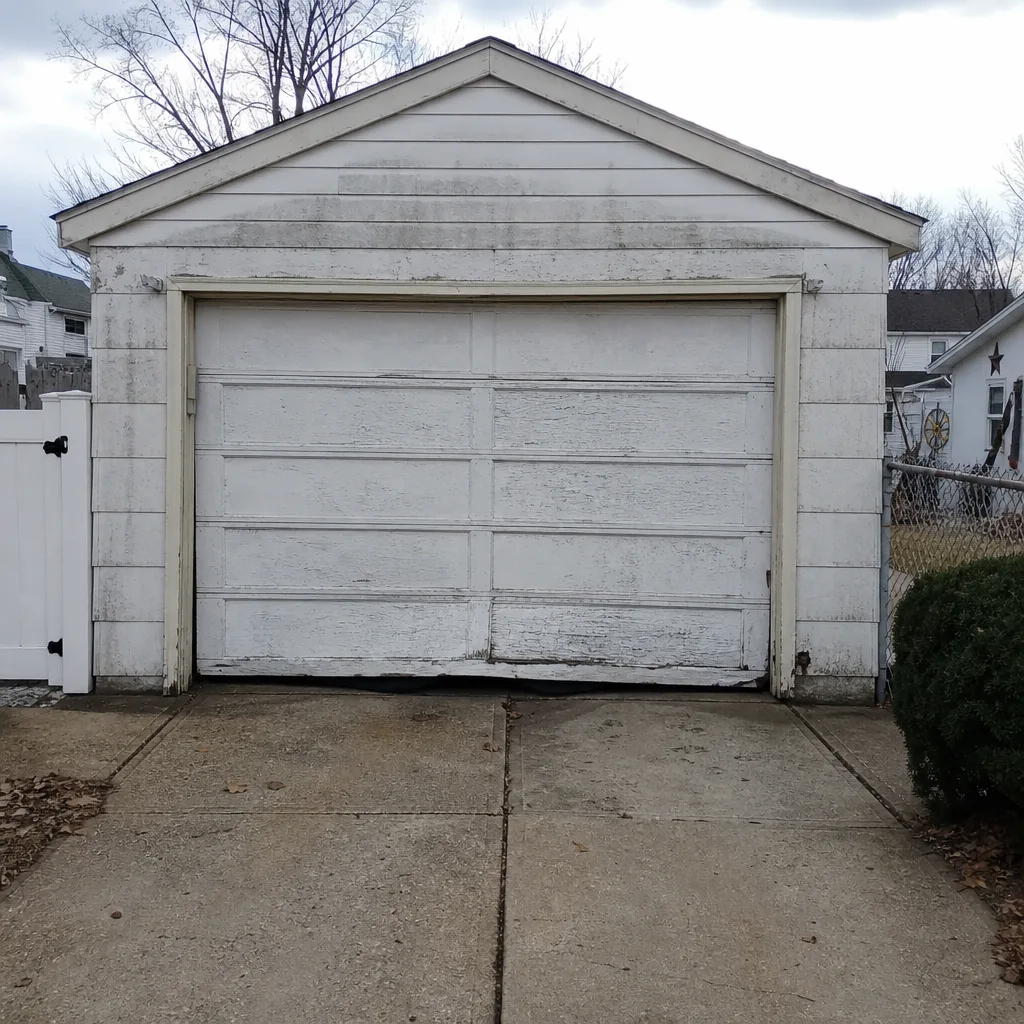 Before
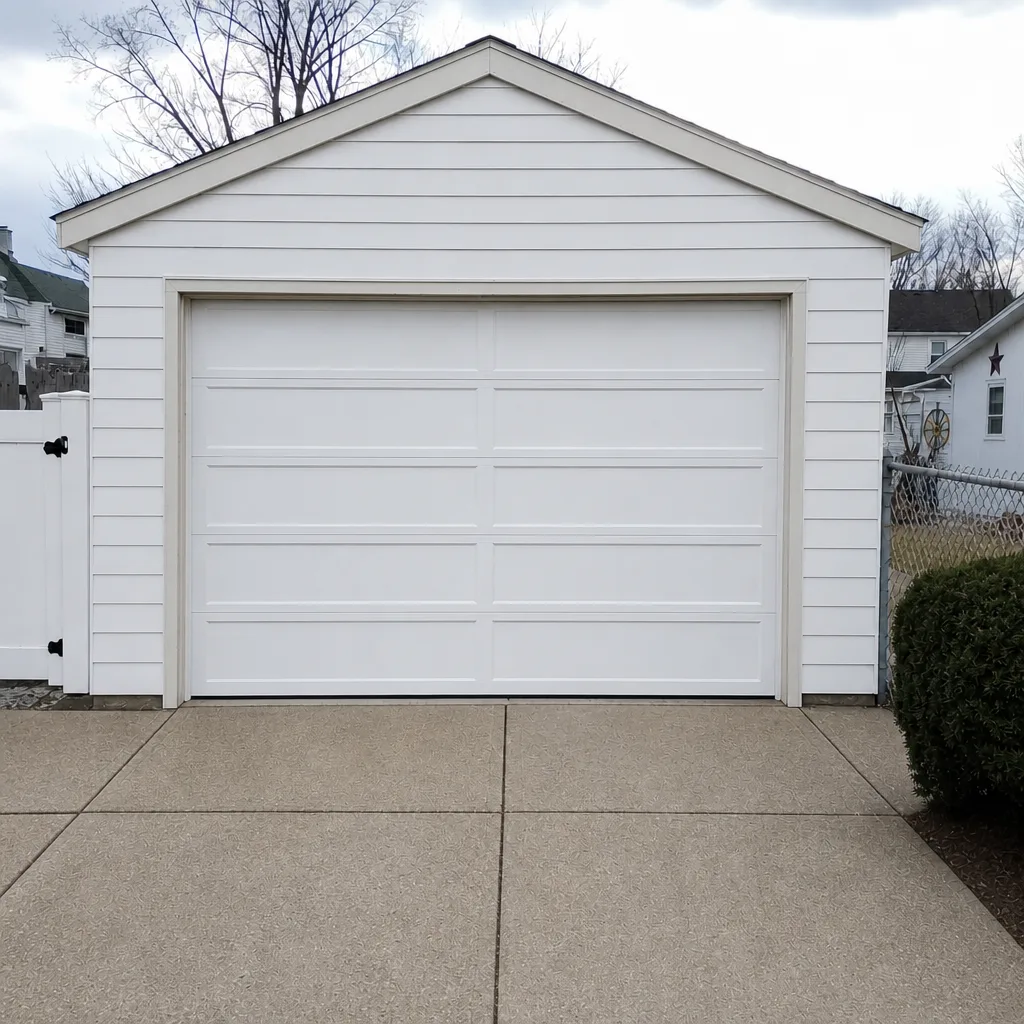 After
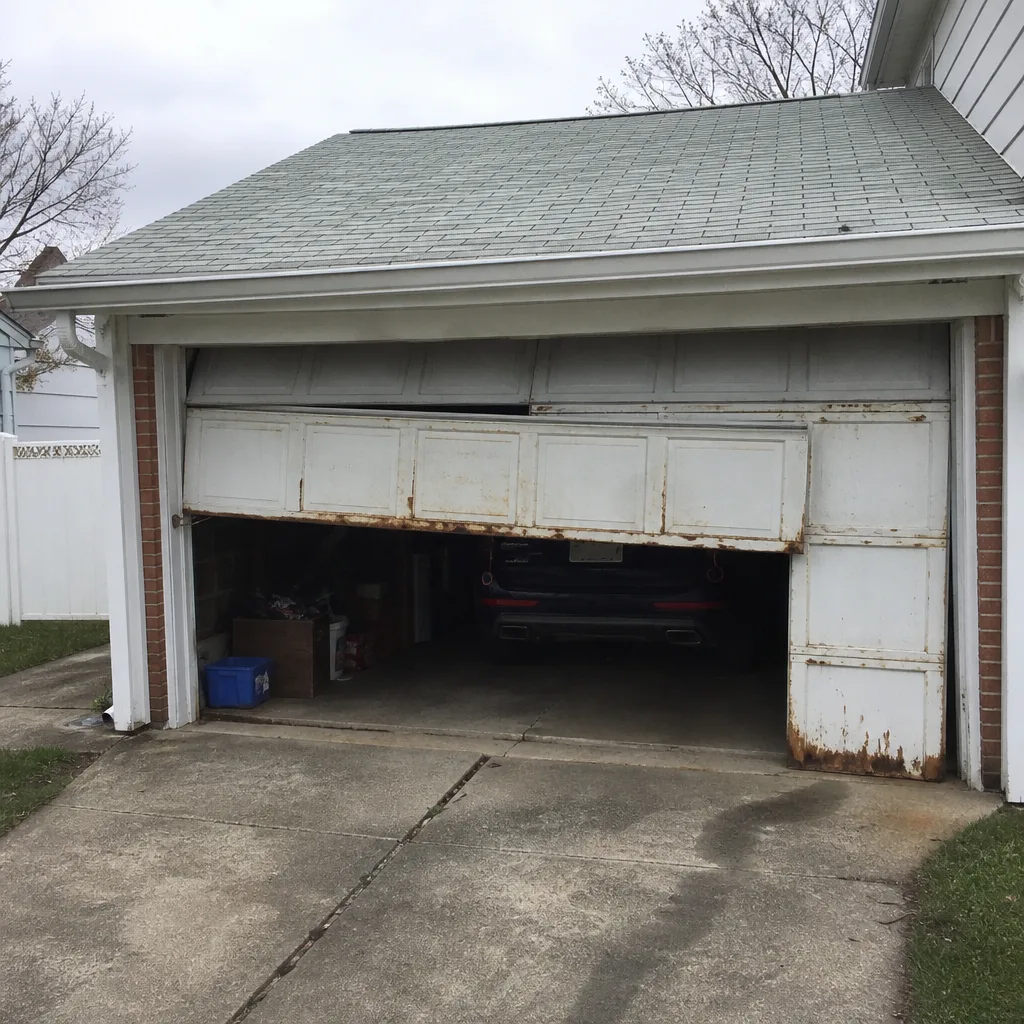 Before
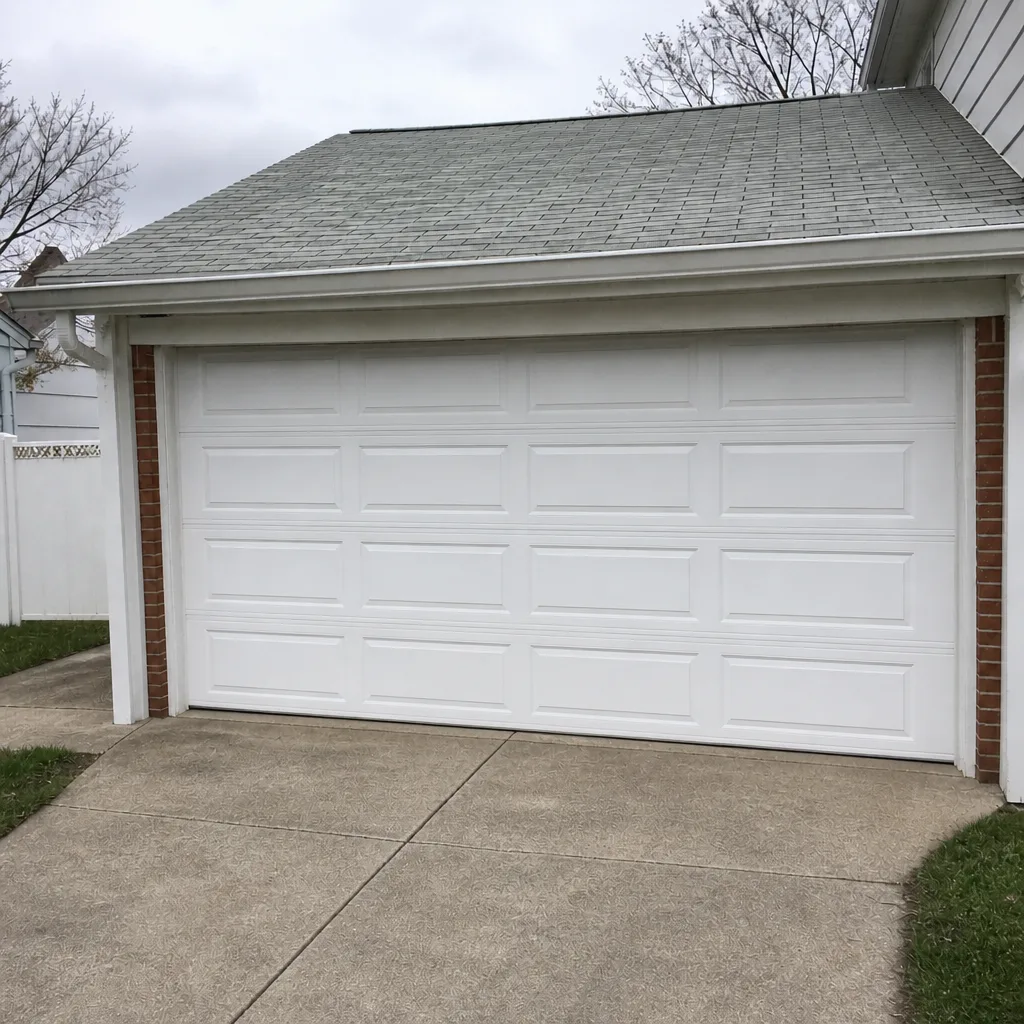 After
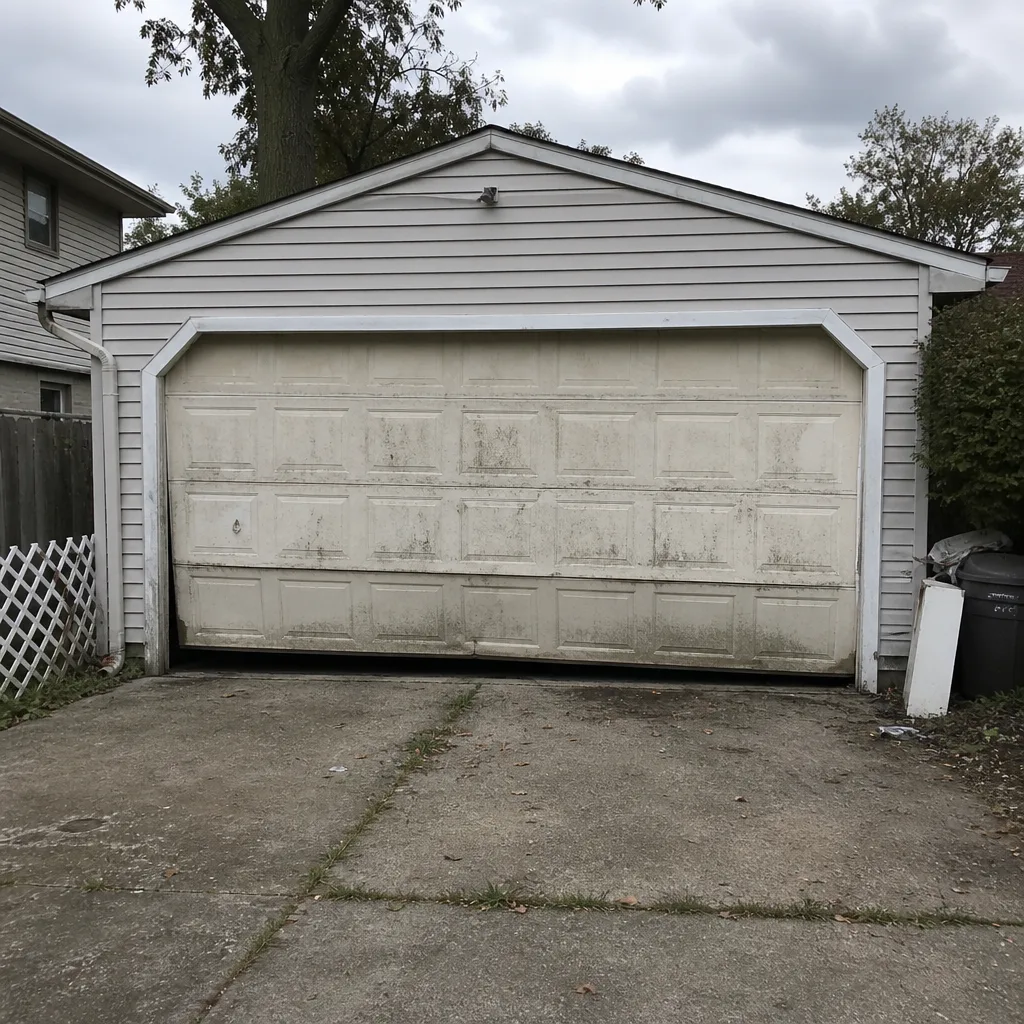 Before
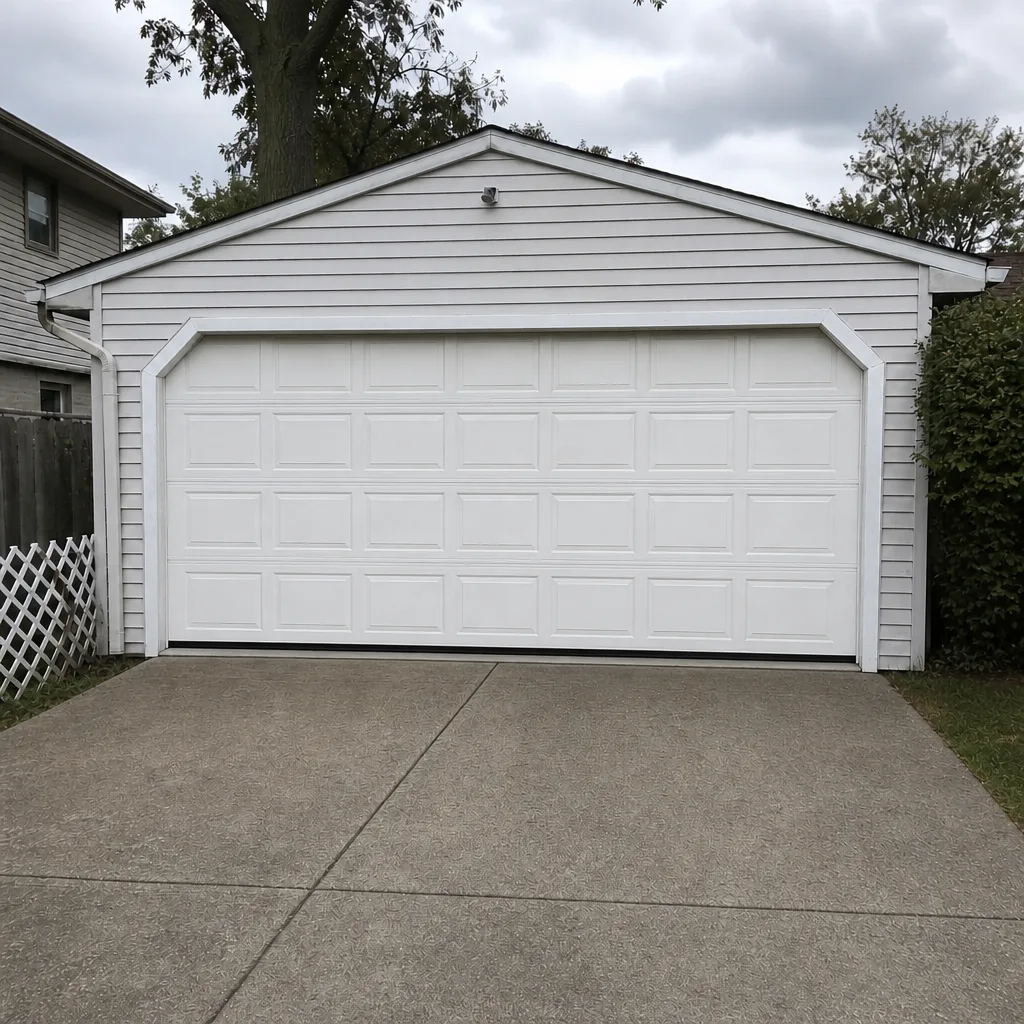 After
When to Call a Professional
Most seasonal care you can handle yourself: lubrication, visual checks, tightening accessible screws, and replacing a bottom seal when the retainer is sound. Call a technician for anything involving the torsion spring, the lift cables, the balance of the door, or the opener’s internal components. A broken spring, a cable off its drum, a door that’s off track, or an opener that won’t reverse are all signs to stop using the door and get help. If the door is stuck down and you can’t get your car out, that’s an emergency call.
We service LiftMaster, Chamberlain, Genie, Clopay, Amarr, Wayne Dalton, Craftsman and Raynor systems, so our technicians arrive knowing the parts and failure patterns of whatever door is on your home. Our technicians have up to 11 years of experience, and we always diagnose before we recommend replacement. Levittown Garage Door Repair Experts offers free estimates in Levittown; call (877) 770-2029 and we’ll take a look.
Frequently Asked Questions
Four times a year, worked around the seasons, is the right rhythm for this climate. Spring is for the post-winter inspection, summer is for watching wood and rust, fall is for tightening and lubrication before the freeze, and winter is for listening and avoiding forcing a stiff door. If you only do one, make it the fall pass, since that’s the one that heads off the winter failures. Call (877) 770-2029 if you’d like a technician to do the seasonal inspection with you.
Because the freeze-thaw cycle fatigues the steel. A torsion spring holds the door’s weight under constant tension, and every temperature swing expands and contracts the metal. Over a winter’s worth of cycles, the fatigue adds up and the spring fails on a cold morning. A spring that passes inspection in October can still snap in January, which is why we recommend a balance check each fall and a real inspection after the last frost. For a broken spring, call (877) 770-2029 for an estimate.
A vinyl or EPDM seal with a flexible top, fitted to your door’s bottom rail profile and held in a retainer with a replaceable rubber insert. EPDM handles cold better than vinyl-only seals, and the flexible top lets the seal ride over the frost heaves that a Levittown driveway develops each winter. Measure the rail width before you buy, not just the door width, and match the seal to the rail profile so it seats properly.
It’s thrown up by tires and tracked in on boots, then it migrates to the bottom brackets, lower hinges, rollers and bottom rail. Once the salt is on the metal it holds moisture against the surface, which is why the bottom of a Levittown door corrodes before the rest of the hardware shows wear. Rinse the bottom of the door after the winter’s last salting, dry it, apply a rust-inhibiting garage door lubricant, and touch up bare metal with matching paint.
No. Torsion springs and the cables attached to them are under enough tension to cause serious injury, and adjusting them requires the right winding bars and the training to use them safely. Lubrication, visual inspection and tightening accessible hinge screws are homeowner jobs. Spring tension, cable repair and balance adjustments belong to a trained technician. If your door is unbalanced or a spring looks broken, call (877) 770-2029 and we’ll get it sorted.
No, not after we’ve quoted it. We inspect the door, diagnose the problem and agree the price in writing before any work starts. If we find something during the repair that changes the scope, we stop and talk to you about the new price before continuing, rather than adding it to the invoice at the end. That’s how the written estimate works: it’s the price you pay for the work it covers. Call (877) 770-2029 for an exact quote; estimates are free.
The Bottom Line
Garage doors in Levittown fail on a schedule you can predict. Springs fatigue through the freeze-thaw winter and snap on cold mornings. Wood sections swell through humid summers and delaminate at the edges. Fall loosens the hinges and track brackets the cold will stress. Driveway salt travels up to the bottom hardware and starts corrosion that shows up years before it should. Four short checkpoints a year catch most of it, and the two jobs that need a specialist (spring and cable work) are the two you shouldn’t attempt. Follow the calendar in this guide, call a technician for anything involving spring or cable tension, and your door will get through the year without stranding you. If something looks off, call (877) 770-2029 for a free estimate.
We work on your brand, not ours. Whether your door carries a LiftMaster or Chamberlain opener, a Clopay or Raynor panel, or a Craftsman unit that’s been on the house a while, the seasonal care is the same and the repair is matched to the system you already have. Levittown Garage Door Repair Experts connects you with independent local professionals who know these doors and these seasons, and we quote the price before any work begins.
Written by the team at Levittown Garage Door Repair Experts.