Last updated November 20, 2026
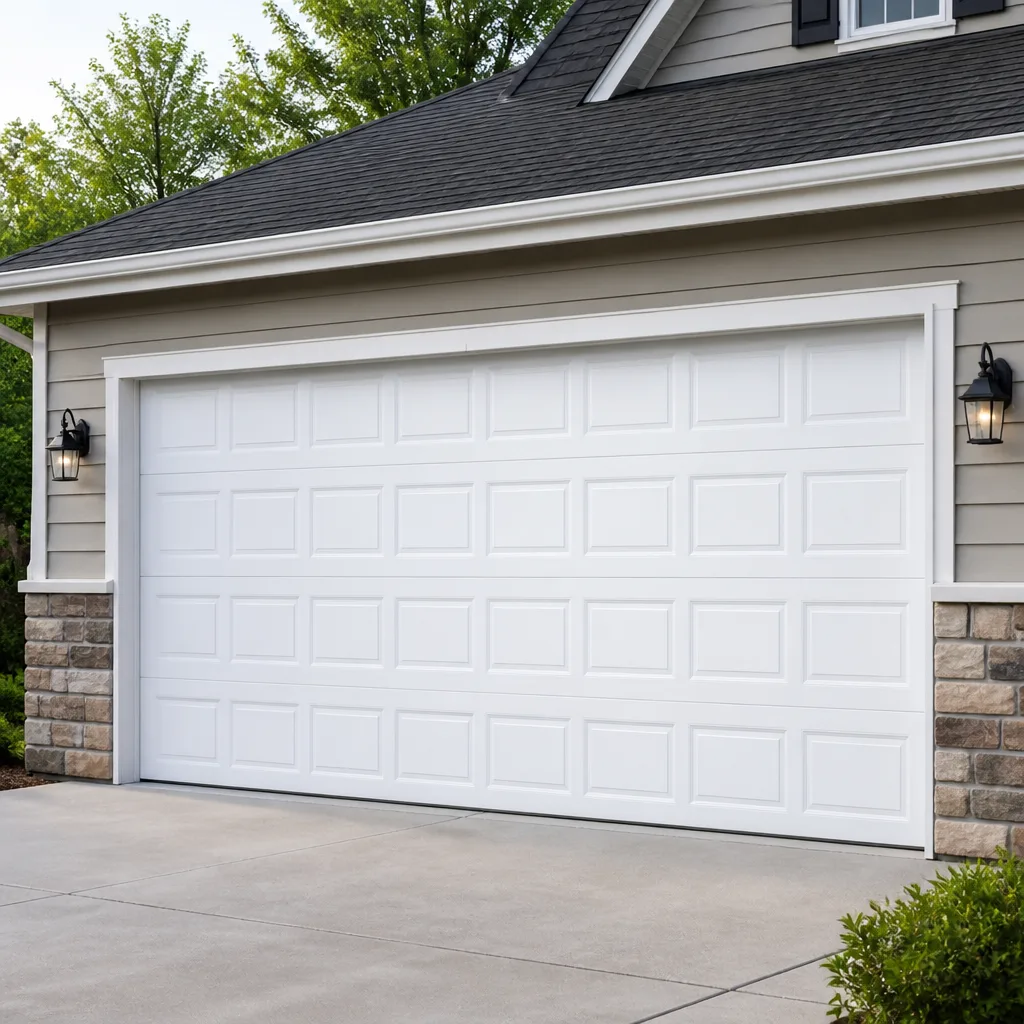 Raised-panel steel
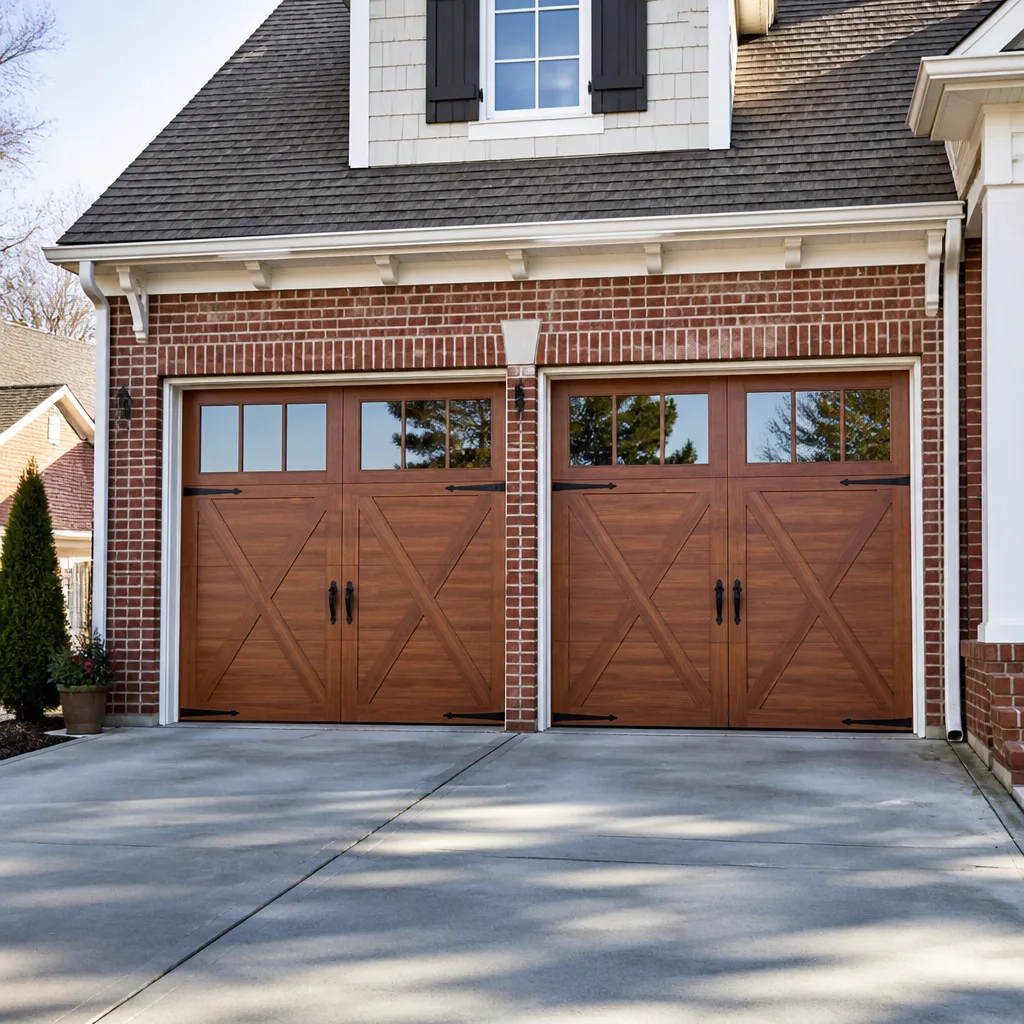 Carriage house
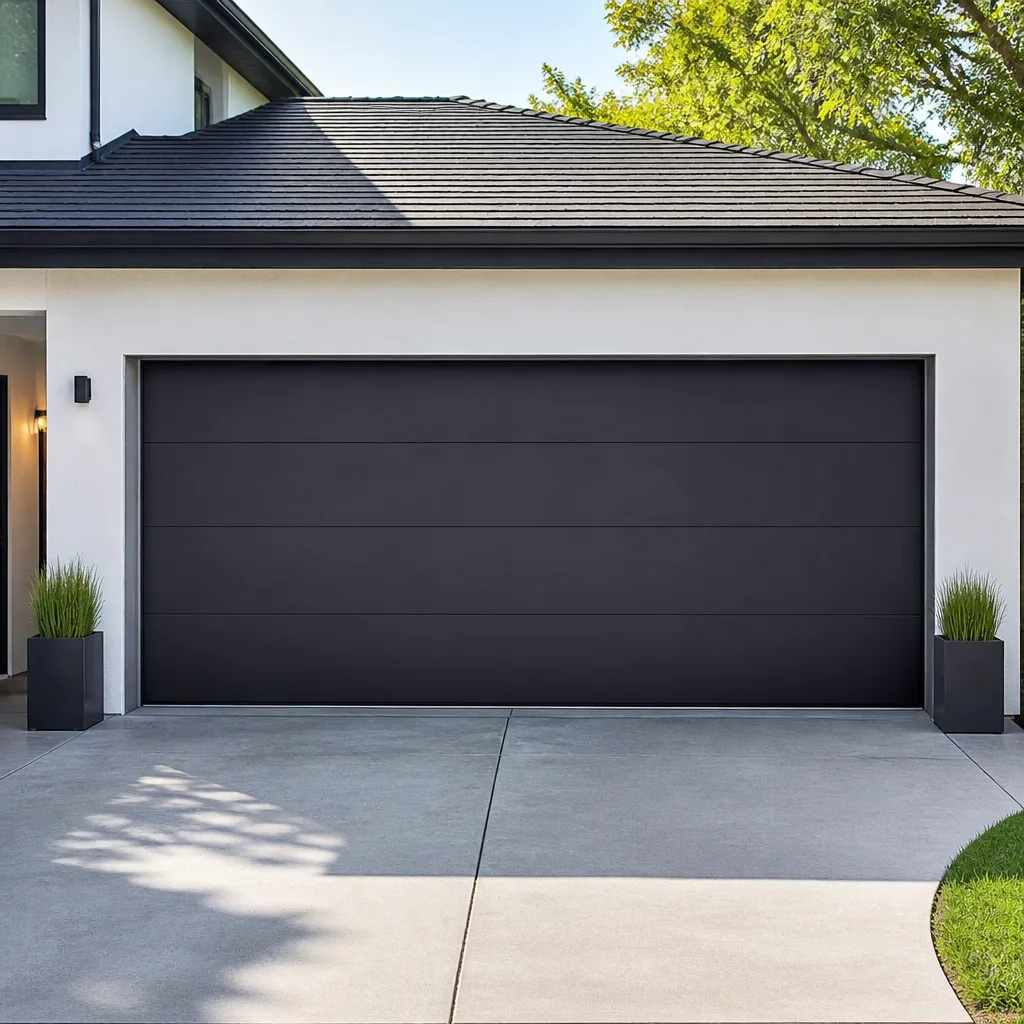 Modern flush
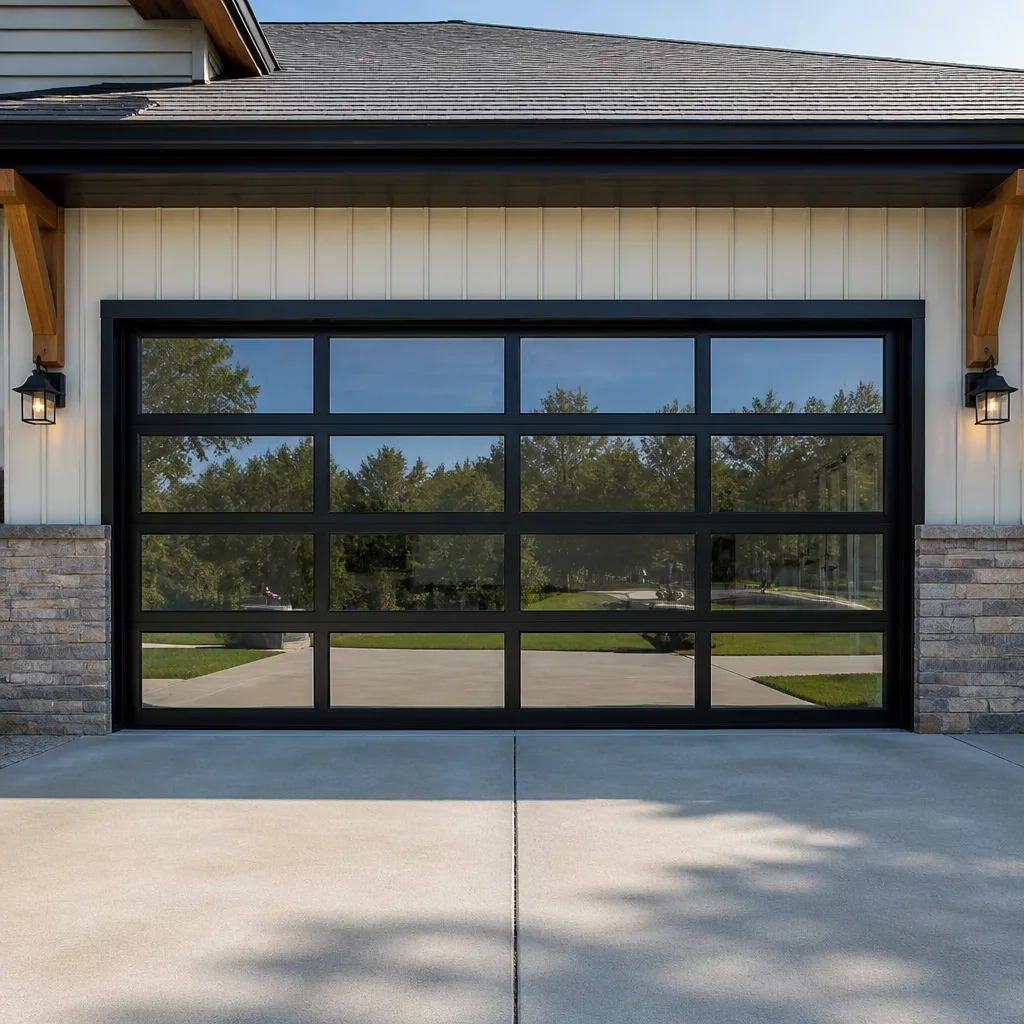 Full-view glass
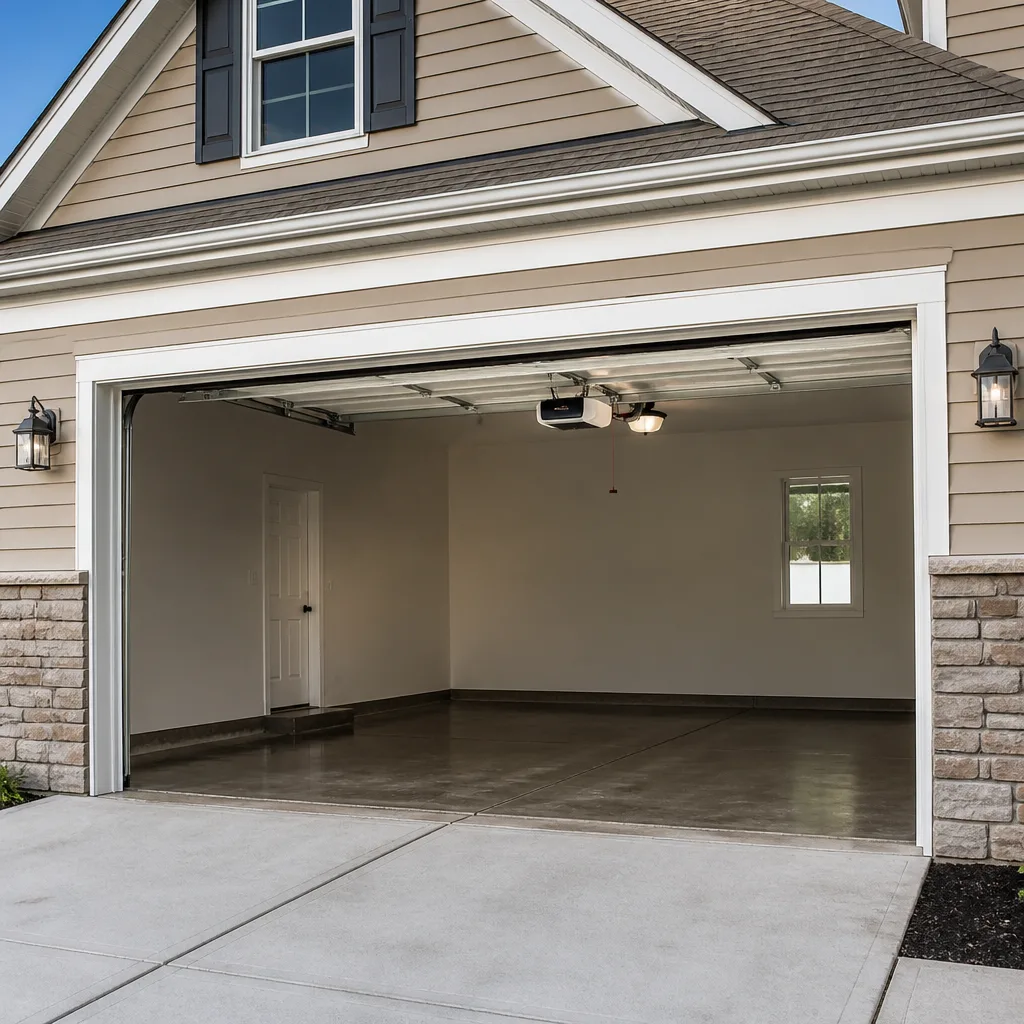 LiftMaster openers
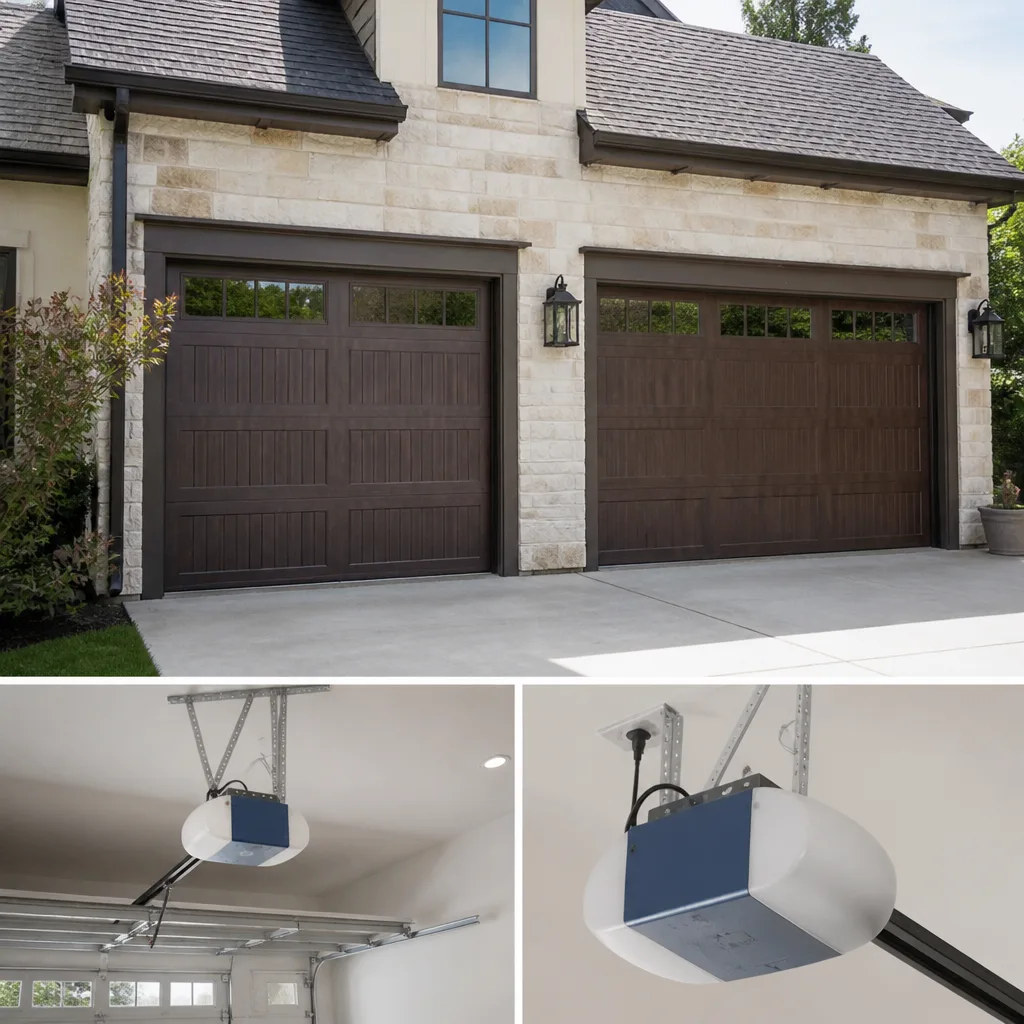 Chamberlain openers
Full 25-point door and opener safety check with every visit - springs, cables, rollers, tracks, and your LiftMaster or Chamberlain opener included
You get a price before we start. It does not change when the pro arrives.
Get your free estimateGarage Door Warning Signs: A Levittown Homeowner’s Reference Guide
A garage door that hesitates for half a second before it moves isn’t a quirk. It’s usually a torsion spring that’s lost enough tension to make the opener compensate, and that compensation is quietly burning out your motor. Almost every garage door failure in Levittown announces itself well before the door stops working, but most homeowners don’t know what normal sounds and movements are supposed to look like, so the signals go unread until something breaks. This guide pairs each warning sign with the mechanical cause behind it and a plain-language severity rating, from “watch it” to “call today.”
Quick Answer
The most common garage door warning signs are a door that hesitates or jerks as it opens, grinding or popping sounds, a visible gap between the door and the frame, a door that reverses before it closes, and an opener that strains or trips its safety reverse. Any of these points to wear in one of four systems: springs, cables and rollers, the door’s balance and alignment, or the opener itself. Grinding usually means rollers or bearings, popping usually means a spring or cable under stress, and reversing at the floor usually points to sensors or travel settings rather than the door. Warning signs that involve a broken spring, a snapped cable, or a door hanging off its track are same-day emergencies, not weekend projects.
Styles & brands we work with
- Raised-panel steel
- Carriage house
- Modern flush
- Full-view glass
- LiftMaster openers
- Chamberlain openers
Table of Contents
- The Acoustic Guide: What Grinding, Popping, Squealing, and Banging Each Mean
- The 10-Second Visual Check: Reading Asymmetry and Gaps
- Opener Behavior: Mechanical Problem or Electrical One?
- The Manual Lift Test: Catching a Failing Spring Early
- Same-Week Fixes vs. Same-Day Emergencies
- Why Levittown Doors Fail at Certain Times of Year
- A Simple Homeowner Maintenance Rhythm
- Common Mistakes to Avoid
The Acoustic Guide: What Grinding, Popping, Squealing, and Banging Each Mean
Sound is the earliest diagnostic tool a homeowner has, and it’s free. A garage door is a heavy moving assembly with several wear surfaces, and each one fails with a distinct noise. Learning to separate them tells you whether you’re looking at a lubrication issue, a worn part, or an imminent breakdown. In our experience, homeowners describe the noise with surprising accuracy once they know what to listen for.
- Grinding – Usually worn rollers, dry hinges, or a bearing starting to seize. High-pitched and continuous, it gets louder as the door moves. Severity: low to moderate. Grinding rarely fails suddenly, but it accelerates wear on the track and the opener’s drive gear.
- Popping or snapping – A torsion spring losing coils as it stretches, or a cable slipping in its drum. If you hear a single loud pop followed by silence from the door, suspect a spring break. Severity: high. Stop using the door.
- Squealing – Metal-on-metal contact, usually at the hinges or rollers, sometimes the opener’s rail. Lubrication often resolves it, but persistent squealing at the top of the door’s travel can mean a bearing plate is going. Severity: low.
- Banging or thumping – Loose panels, a door that’s out of balance and slamming down, or a bent track section. Severity: moderate to high, because an unbalanced door puts stress on the opener and the spring system.
- A dull hum with no movement – The opener is receiving power but the motor isn’t turning the door. Could be a stripped gear, a failed capacitor, or a door that’s stuck and mechanically resisting. Severity: moderate, and worth a same-day call.
What’s important is the pattern. A noise that’s always been there is usually just a dry hinge. A noise that appeared suddenly and changed the door’s behavior is a repair. Levittown homes tend to have attached garages that amplify these sounds through the shared wall, which actually helps you catch a change early. Once you’ve identified the sound, a qualified technician can confirm what’s actually failing, which is why we diagnose before we quote.
The 10-Second Visual Check: Reading Asymmetry and Gaps
Stand outside, look at the door, and give yourself ten seconds. You’re checking for symmetry: the door should sit level, its horizontal lines should be parallel to the floor, and the gap at the bottom should be even side to side. Asymmetry is the single most reliable visual signal that something in the balance system is off, and it takes seconds to spot. This is where Levittown’s wet, freezing winters show up most clearly, because moisture and frost can shift wood frame sections and cause gaps that weren’t there in autumn.
- Check the bottom seal. A gap under one corner but not the other means the door is tilting, usually a spring tension issue on one side. An even gap under the whole door might just be a worn seal.
- Look at the horizontal panel lines. If the lines on one side of the door sit higher than the other, the door is racking. That’s a track or cable problem, not a panel problem.
- Check the vertical gaps at the sides. A widening gap at one side means the track has pulled away from the frame or the door has shifted off-center.
- Look for bent or kinked track sections. Tracks should be straight and parallel. A kink will force the rollers to jump and eventually come out.
- Check the panels for cracks or separation at the seams. On steel doors this is often just cosmetic, but on wood doors it can indicate moisture intrusion.
- Look at the hinges. A hinge that’s bent or pulled away from the panel is a structural warning, not just a squeak.
Each type of gap has a different cause. An even bottom gap is usually a seal problem. A corner gap is a balance or spring problem. A side gap is a track problem. A gap that appears only when the door is partly open means the door is twisting as it rides, which points to a cable or drum issue. None of these are safe to leave; a door that rides crooked will eventually come off its track entirely, and that’s a much bigger repair than a spring adjustment.
Opener Behavior: Mechanical Problem or Electrical One?
Most homeowners assume the opener is at fault when the door misbehaves, and most of the time the opener is reacting to something else. The opener is a motor that pushes and pulls, and when the door’s spring system is out of balance, the motor works harder than it was designed to. That constant strain is what actually kills openers, not age. The trick is separating symptoms that point to the door from symptoms that point to the opener or its sensors.
Mechanical warning signs (the door):
- The door opens slowly or moves in jerky increments.
- The opener strains, hums loudly, or seems to struggle at particular points in the travel.
- The door drifts down after it’s been opened a few inches manually, or won’t stay up.
- The opener’s rail flexes or vibrates heavily as it moves.
Electrical or sensor warning signs (the opener):
- The door reverses before it reaches the floor, or reverses on contact with an object.
- The opener runs briefly and stops without moving the door.
- The remote works only when you’re close, or the wall button works but the remote doesn’t.
- The safety sensors’ indicator lights are off, blinking, or mismatched.
- Different brands behave differently here. A Chamberlain with a blinking LED pattern or a Genie with a slow flash is telling you something specific; the blink pattern is a diagnostic code, and a technician who knows the brand can read it in seconds.
The split matters because it changes who you call and what the repair looks like. A sensor misalignment is a quick fix; a worn drive gear or a burned-out logic board on your opener is a component repair. We work on whatever opener you already have, whether it’s a LiftMaster, a Raynor, or something older, and we don’t push a new unit when a component replacement solves the problem.
The Manual Lift Test: Catching a Failing Spring Early
Before a torsion spring fails completely, it loses tension. That loss is measurable by hand, and the manual lift test is the safest way to check whether your springs are still doing their job. A balanced door should feel light, almost neutral, when you lift it by hand, and it should stay where you let it go at roughly waist height. A door that feels heavy, or drops, is telling you the spring system is failing.
Here’s how to run it safely. Disconnect the opener first (most openers have a red release cord near the rail). Then, with the door fully closed, lift it slowly and evenly by its center handle or bottom edge, using both hands.
- Lift slowly to waist height. If the door feels very heavy, stop. Don’t force it.
- Let go gently at waist height. A balanced door stays put. A door that slides down a little is losing balance. A door that drops fast is a failing spring, and you shouldn’t test it again.
- Reconnect the opener only after the door has been checked by a technician if the test showed any heaviness or drop.
Safety caveat, and this one is not negotiable: torsion springs are under extreme tension even when the door is closed, and a spring that breaks while someone is working near it can cause serious injury. Never attempt to adjust, unwind, replace, or even inspect a torsion spring or its cables yourself. Visual checks and the manual lift test are the limits of safe homeowner diagnosis; the actual work belongs to a trained professional. That’s why we treat spring repair as a dedicated service rather than something we hand off. It’s the most hazardous repair in the trade, and it deserves a specialist who does it constantly.
Same-Week Fixes vs. Same-Day Emergencies
Not every warning sign is urgent, but the ones that are genuinely urgent are the ones homeowners most often ignore. The cleanest way to decide is by asking a single question: can the door still be operated safely, and can the house still be secured? If the answer to either is no, it’s a same-day call.
| Symptom | Likely Cause | Severity | Typical Timing |
|---|---|---|---|
| Grinding, squealing | Worn rollers, dry hinges | Low | Within a week or two |
| Door hesitates or jerks | Spring losing tension | Moderate | Within the week |
| Popping or snapping sound | Broken torsion spring or slipping cable | High | Same day, stop using the door |
| Door hanging off the track | Track damage, cable failure, or impact | High | Same day, emergency |
| Door reverses before closing | Sensor misalignment or travel setting | Moderate | Within a few days |
| Opener hums but doesn’t move door | Gear, capacitor, or jammed door | Moderate to high | Same day if it blocks access |
| Visible gap under one corner | Balance or spring problem | Moderate | Within the week |
| Door won’t stay closed | Balance failure or sensor | High | Same day, security and weather risk |
A door that won’t close leaves the garage open to weather and to anyone walking past, which is why a door stuck open is treated as an emergency by most technicians, including us. A door that won’t open traps the car and blocks access to the house, which matters too. The middle tier, spring tension loss and sensor problems, are the ones that reward a prompt call rather than a wait-and-see approach. Waiting on a spring that’s already weakening usually turns a modest repair into a full spring replacement plus opener strain damage. Emergencies are a core part of what we do, because a garage door failure is rarely convenient. When we arrive, the price is quoted and agreed before any work starts, so you’re never looking at a bill that passed the estimate without you knowing it.
Why Levittown Doors Fail at Certain Times of Year
Garage door failures cluster around temperature swings, and Levittown sits in a climate that produces plenty of them. The same mechanism is at work in every case: metal contracts in cold and expands in heat, and the spring, roller, and track assembly has several tight-tolerance joints where that movement shows up first. Understanding the seasonal pattern helps you know when to look a little harder.
Late fall and early spring are the highest-risk windows. When the overnight temperature drops sharply, torsion springs that were already weakened can snap, which is one reason we see a spike in spring calls as the season turns. The cold also stiffens lubricant and makes weather seals brittle, which increases drag on the door and forces the opener to push harder. In summer, heat expansion can cause a door to bind against its frame or a track to shift just enough to throw off alignment. Humid stretches make wooden frame sections swell, which can widen side gaps and make rollers ride harder. Seasonal transitions also bring the leaf litter and grit that works into roller tracks, which is another reason grinding tends to start this time of year.
For a property owner in Levittown, being proactive rather than reactive saves real money here. A door checked in the fall, before the cold sets in, is far less likely to fail in January when you need it most. It’s also worth checking the door after any hard wind event, since a strong gust can push a partially open door into its track and cause a kink that won’t show until the next operation.
A Simple Homeowner Maintenance Rhythm
Most of what keeps a garage door running comes down to a handful of small checks done on a routine, none of which require touching the springs or cables. The door itself is a machine, and treating it like one is the difference between a repair every few years and a repair every season. This is the general rhythm we recommend.
- Once a month, look and listen. Run the door and watch it from outside. Check for asymmetry, listen for new noises, and note anything that feels different from last month.
- Twice a year, lubricate the moving parts you’re allowed to touch. Hinges, rollers, and the track surface get a light application of a garage door lubricant, never a heavy grease. Don’t touch the springs or cables.
- Twice a year, run the manual lift test (with the opener disconnected, as described above) to check balance.
- Twice a year, test the safety reverse. Place a small object in the door’s path and confirm it reverses on contact. This is a safety feature, not a convenience feature.
- Once a year, look closely at the sensors and their indicator lights. Clear any cobwebs or debris that could block the beam.
- Once a year, check the weather seal at the bottom and sides. A worn seal lets water and cold air in, and it makes everything downstream work harder.
These checks catch the low and moderate warning signs before they escalate. What they won’t catch is a spring that’s about to fail under the surface, which is why an annual professional inspection is worth scheduling, particularly if you can’t remember the last time the door was serviced. When a repair is needed, whether it’s a roller replacement or something larger, our garage door repair team handles the diagnosis and the fix. We’re brand-agnostic; we work on your brand, not ours.
Common Mistakes to Avoid
- Ignoring a single pop. One loud pop followed by a door that won’t lift is usually a broken spring, and continuing to run the opener after that damages the motor. Stop using the door and call instead.
- Assuming a noisy door is a warn-out door. Grinding and squealing are often fixable at low cost. Replacing a door that just needs lubrication or rollers is the expensive mistake in this trade.
- Adjusting springs or cables yourself. These parts are under extreme tension and are the leading cause of serious injury in garage door work. Never attempt it, no matter what a video shows.
- Calling a generalist handyman. A garage door and opener system has specific mechanical and safety requirements, and a general contractor isn’t set up for the spring and balance work. Use a specialist.
- Waiting until the door stops entirely. Every warning sign is cheaper to fix than the failure it leads to. A spring replacement is far less costly than a spring plus an opener plus a track repair.
- Overlooking the sensors when the door reverses. Many homeowners assume the door is broken when a spider web or a misaligned bracket is the real cause. Check the sensors first.
- Forgetting the weather seal. A worn seal makes the whole system work harder and lets water into the garage, which matters through Levittown’s wet and freezing stretches.
See the difference
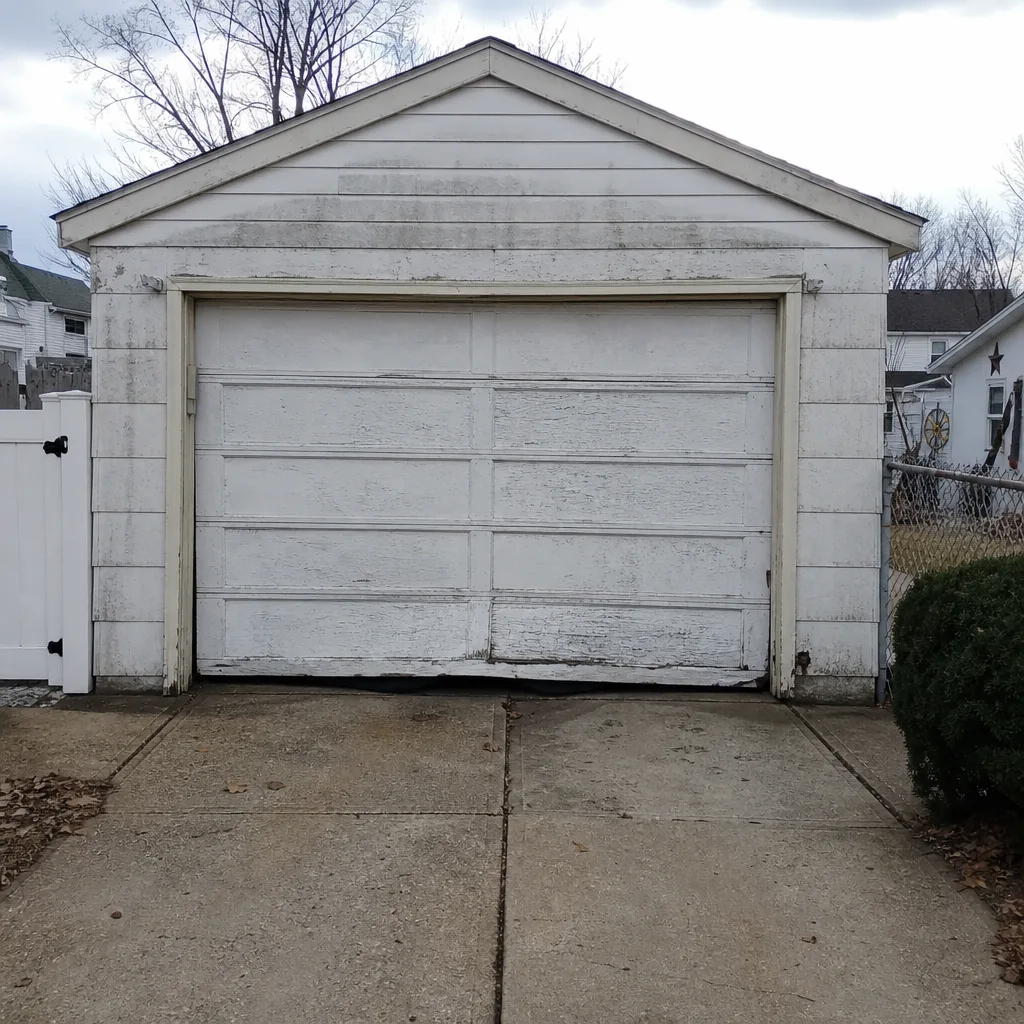 Before
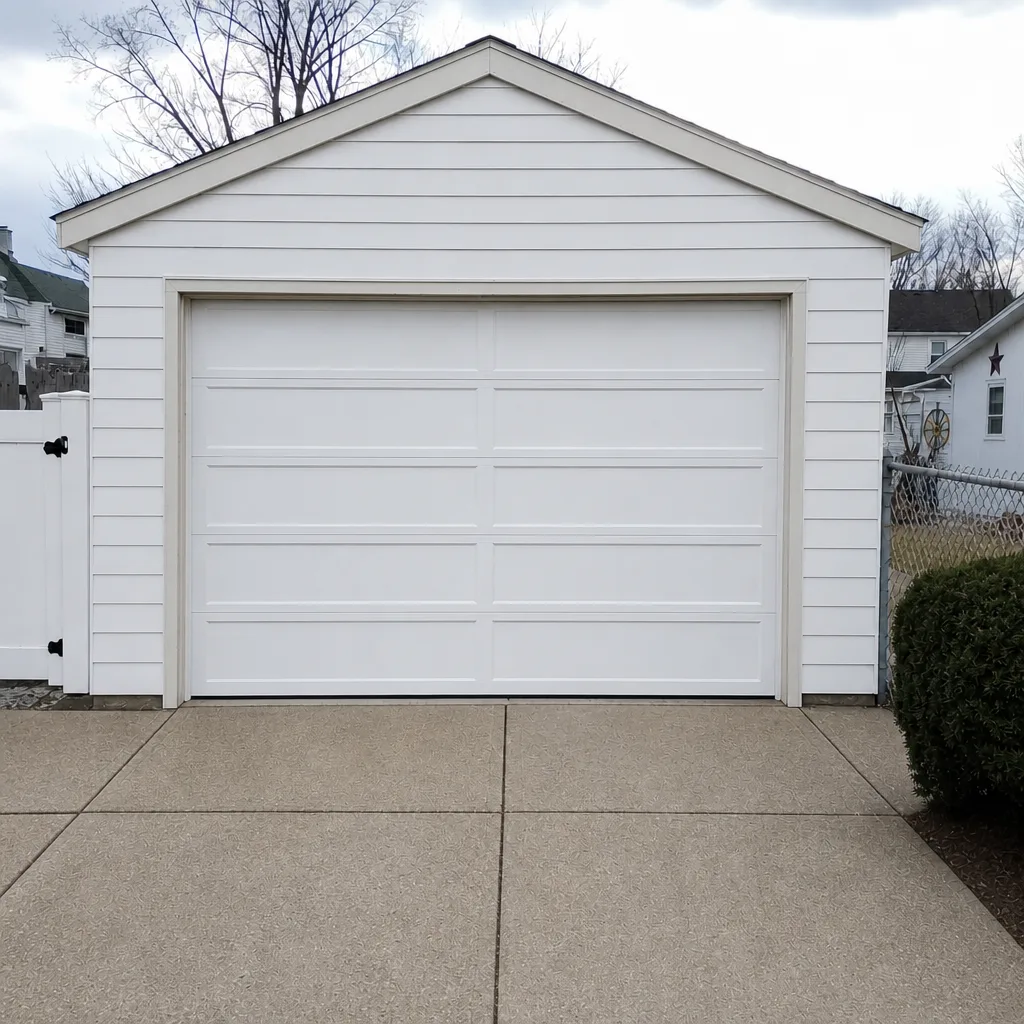 After
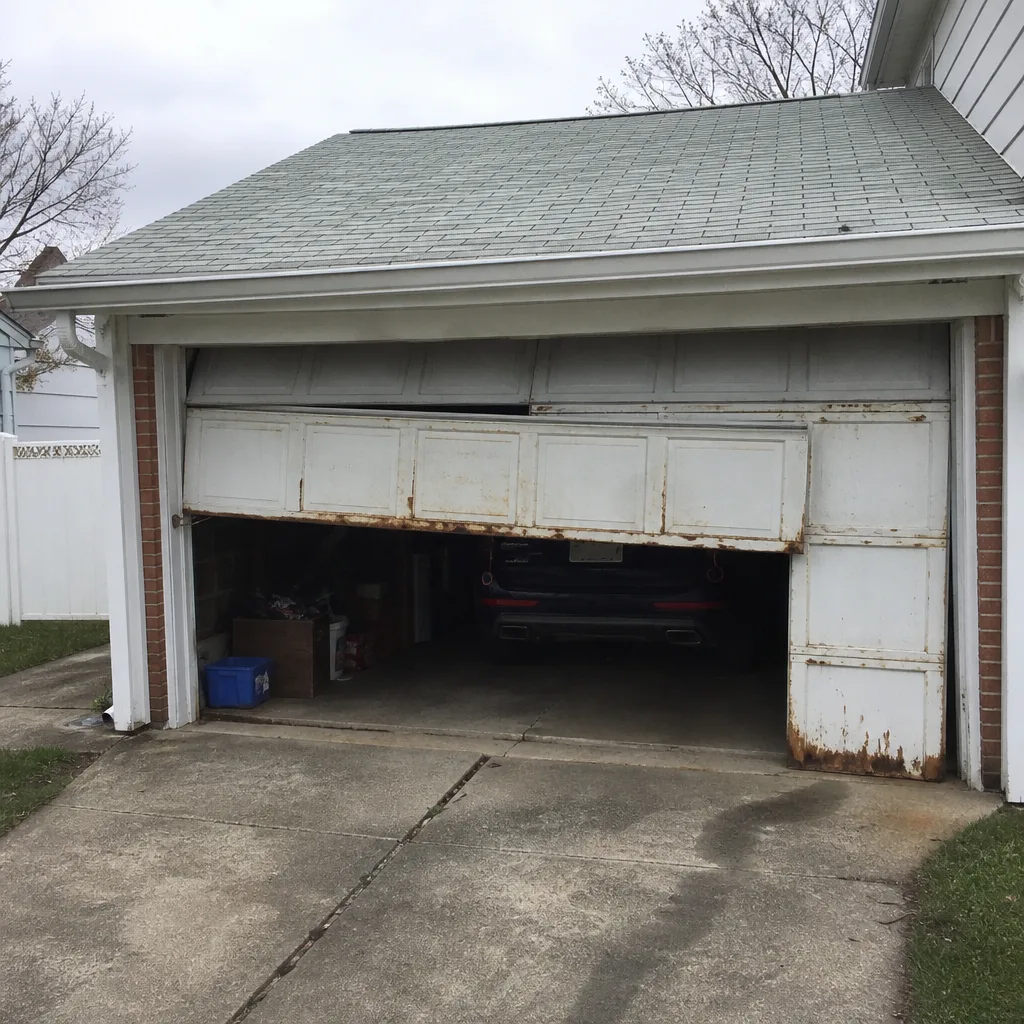 Before
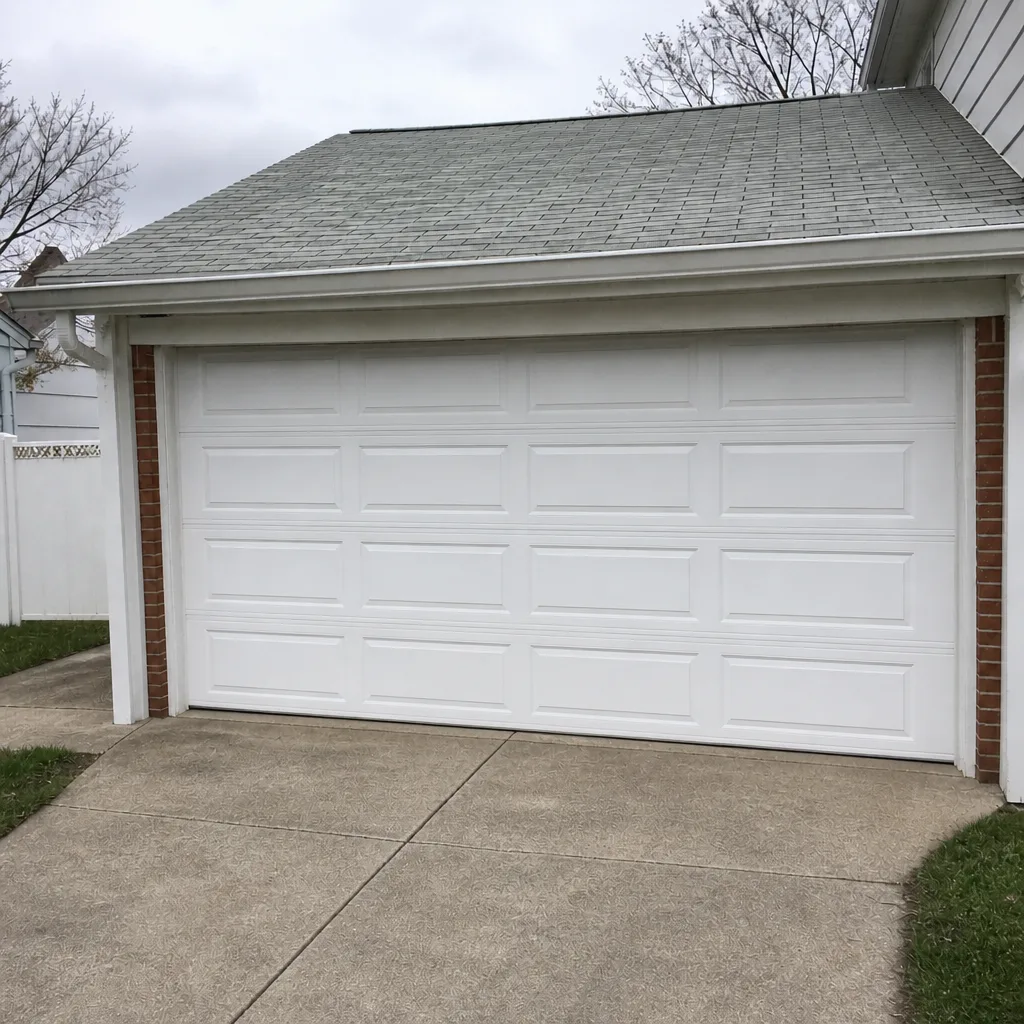 After
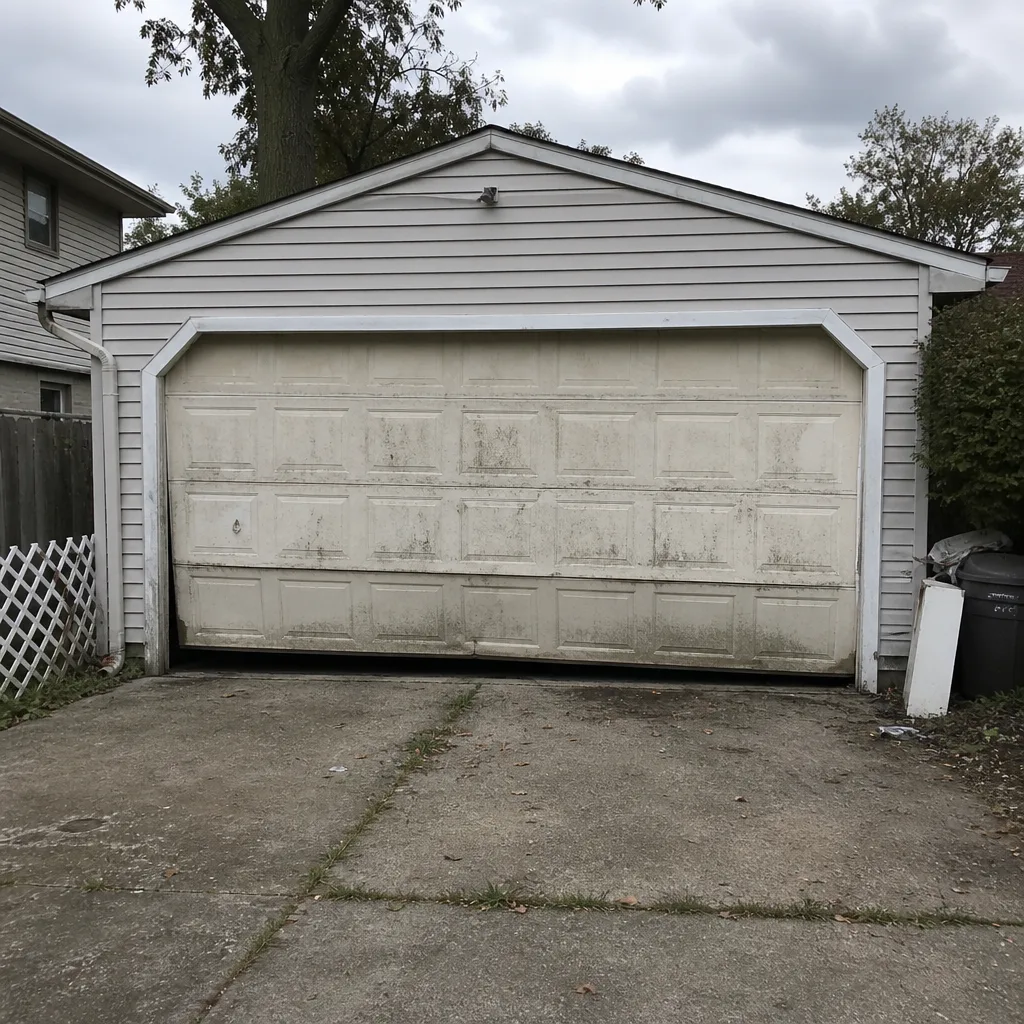 Before
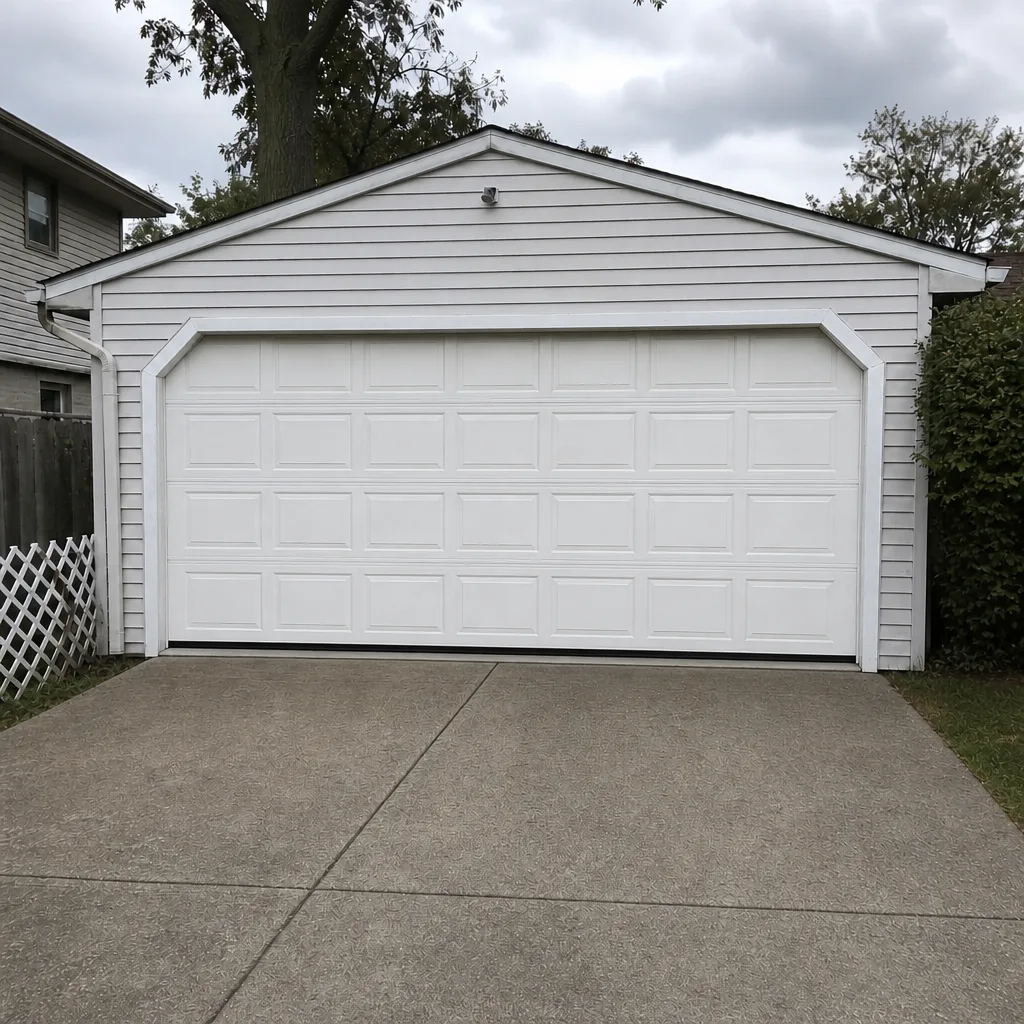 After
When to Call a Professional
Call a professional immediately if you hear a spring break, see the door hanging off its track, can’t get the door to close securely, or hear the opener hum without moving the door. Those are the cases where continuing to use the door causes more damage or creates a safety risk. Smaller signs, like grinding, a door that hesitates, or a minor gap, warrant a call within the week. Levittown Garage Door Repair Experts offers free estimates in Levittown. Call (877) 770-2029 and we’ll tell you what the correct diagnosis is and what it will cost before any work begins. If it’s an opener issue rather than the door, the same applies, and our staff is comfortable with every major brand.
What you shouldn’t do is put a warning sign on a mental list and forget about it. The pattern that turns a modest repair into an emergency is almost always a delay, not a defect. A door that’s making noise this week is telling you it needs attention before the weather turns.
Frequently Asked Questions
The most common warning sign is a door that hesitates or jerks as it moves. That hesitation usually means the torsion spring has lost tension and the opener is compensating for it, which strains the motor. Call (877) 770-2029 and we’ll confirm whether it’s a spring, a roller, or something else.
If you hear the opener motor running and straining but the door moves slowly, jerks, or feels heavy when lifted by hand, the problem is usually in the spring and balance system, not the opener. If the door is light and balanced but reverses or stops for no reason, the opener or its sensors are the more likely culprit. Either way, a diagnosis is quick and worth the call.
A broken spring, a snapped cable, a door off its track, or a door that won’t close securely are all same-day situations. The criteria are simple: if the door can’t be operated safely or the house can’t be secured, call now. Call (877) 770-2029 for emergency service.
Yes. The technicians who serve Levittown are familiar with the major brands installed on homes here, including LiftMaster, Chamberlain, Genie, Clopay, Raynor, Amarr, Wayne Dalton, and Craftsman. That means we bring the diagnosis to your existing equipment rather than pushing a brand switch or a new install. If you’re not sure what brand you have, the model label inside the opener housing or on the door’s edge usually tells you.
No. A loud bang followed by a door that won’t open usually means the spring has broken. Stop using the opener and call a professional today. Continuing to run the opener after a spring failure can cause motor and gear damage on top of the spring repair.
An annual professional inspection catches early wear that isn’t yet visible or audible to a homeowner, particularly in the springs and cables where the most serious risks live. Given Levittown’s temperature swings, a check before winter is the most useful timing.
Leave it where it is, keep people and vehicles clear of it, and call a professional. Don’t try to push or force the door back onto the track. That’s an emergency call, and the door should stay closed unless a technician is present to handle it safely.
The Bottom Line
Every garage door failure leaves a paper trail of warning signs, and the homeowners who find them earliest spend the least. The four systems to watch are the ones covered here: sound, symmetry, the manual lift test, and the opener’s behavior. Learn what normal sounds like in your own garage, check the door once a month, and treat a broken spring or a door off its track as a same-day call, not a weekend fix. If you’re ever unsure, the garage door spring repair and garage door opener repair teams can tell you quickly, and the estimate is free. For a broader look at what we do across every stage of repair and installation, our Levittown Garage Door Repair Experts page is the place to start. Our technicians have up to 11 years of experience, and the price is always quoted and agreed before work starts.
Written by the team at Levittown Garage Door Repair Experts.