Last updated November 20, 2026
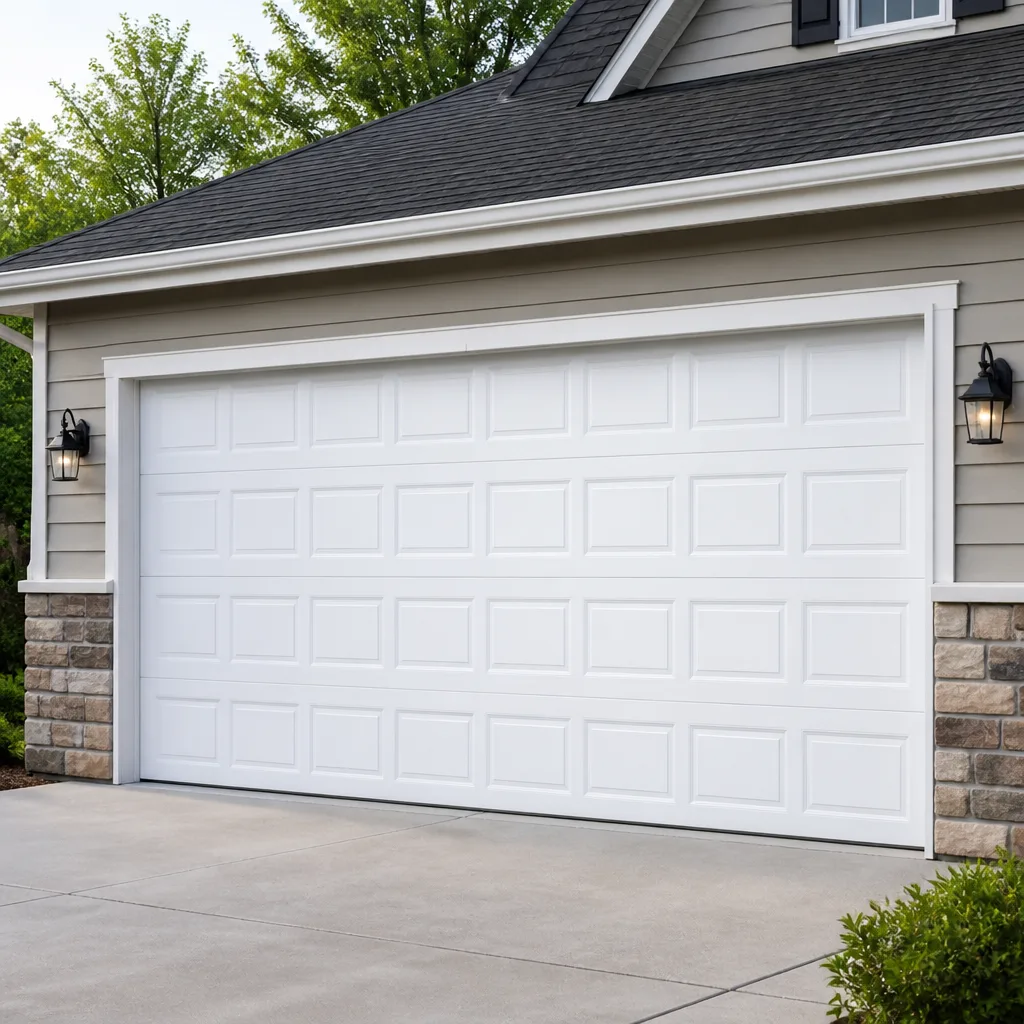 Raised-panel steel
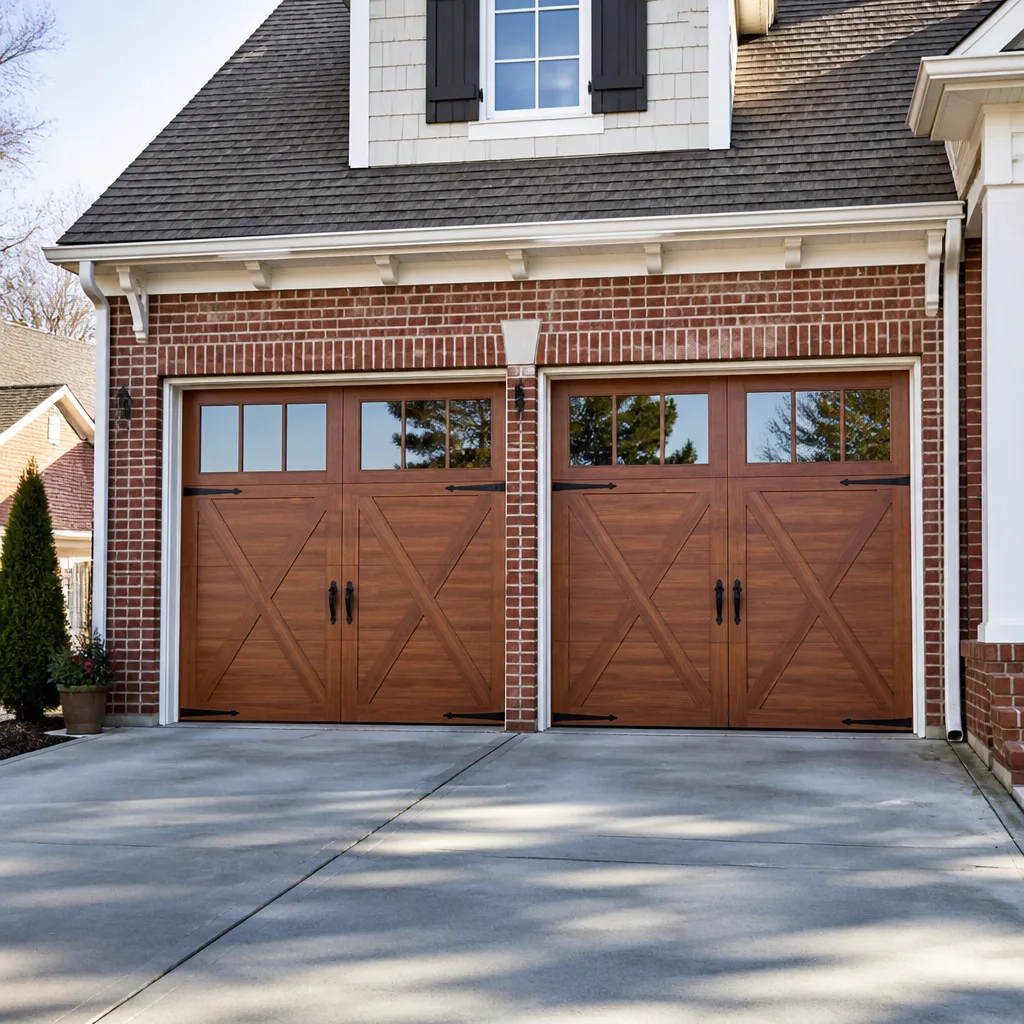 Carriage house
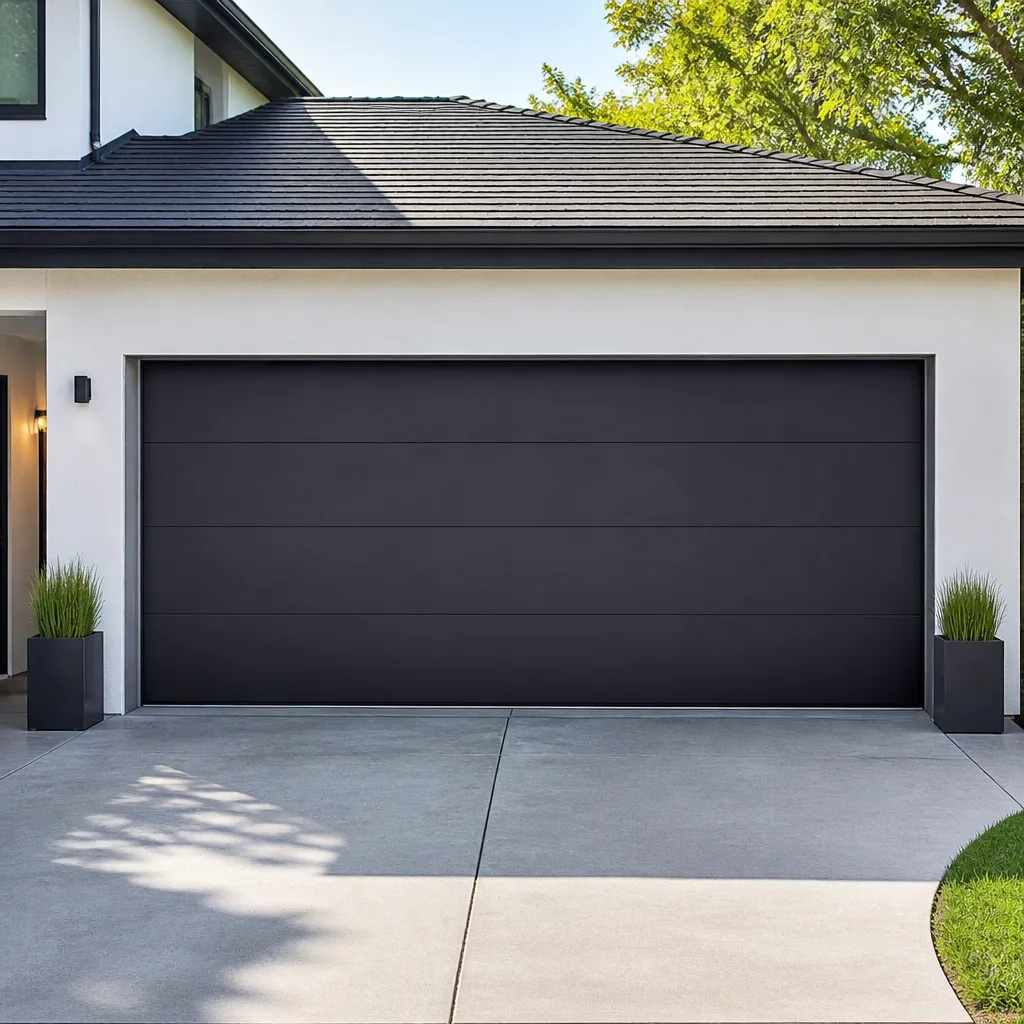 Modern flush
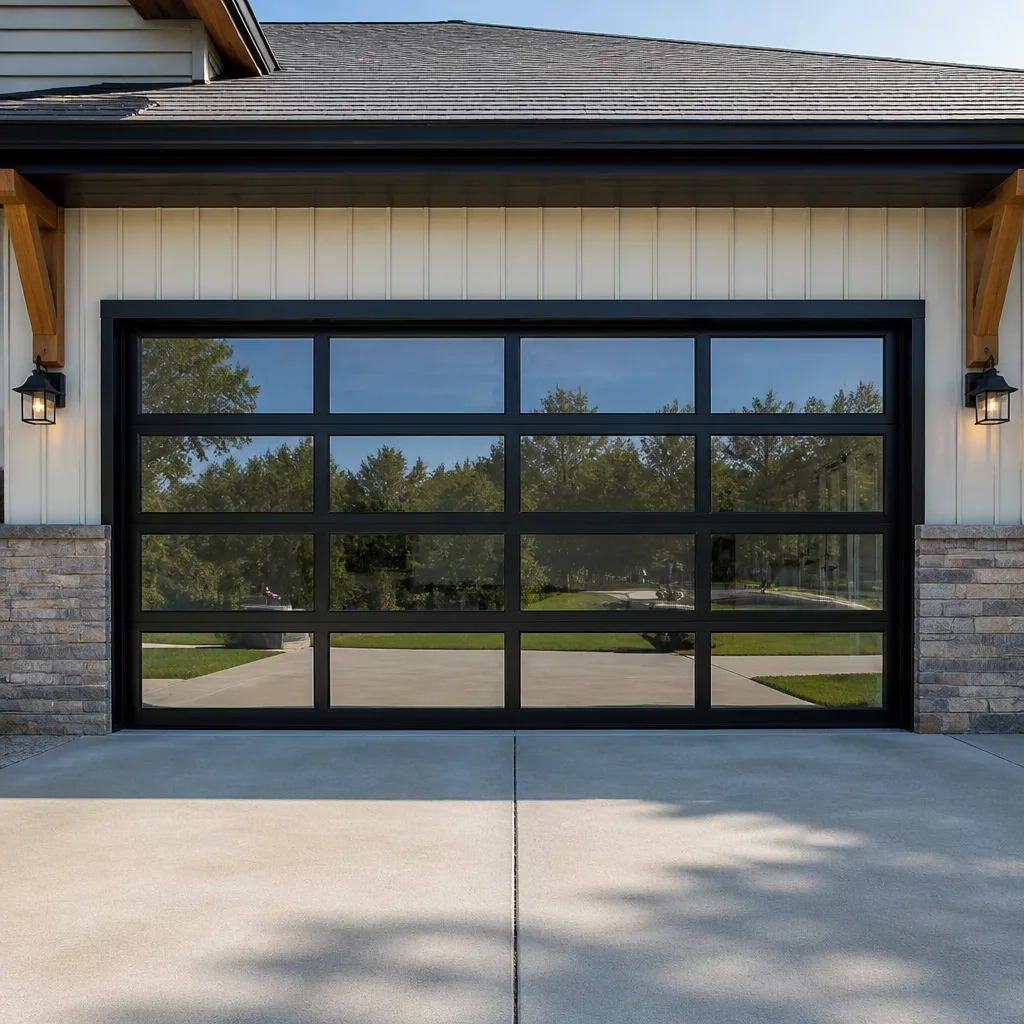 Full-view glass
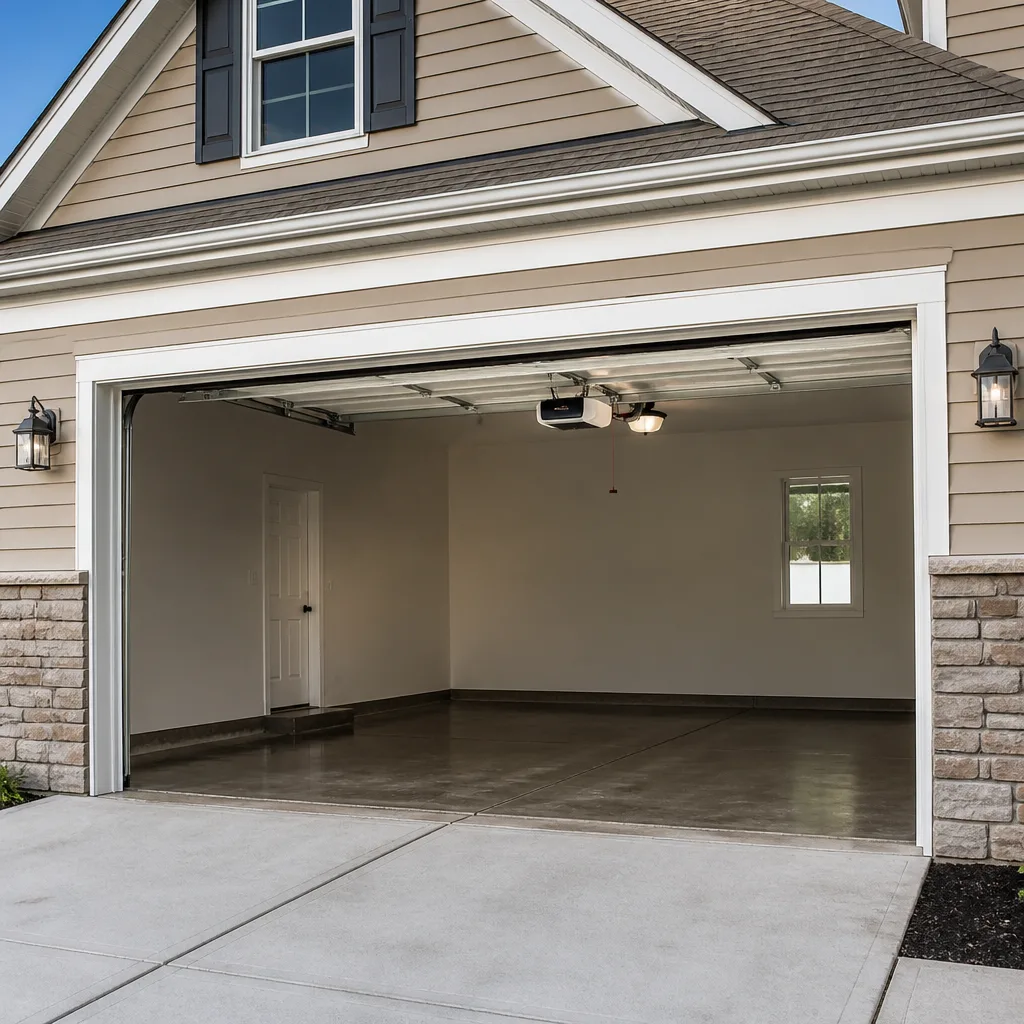 LiftMaster openers
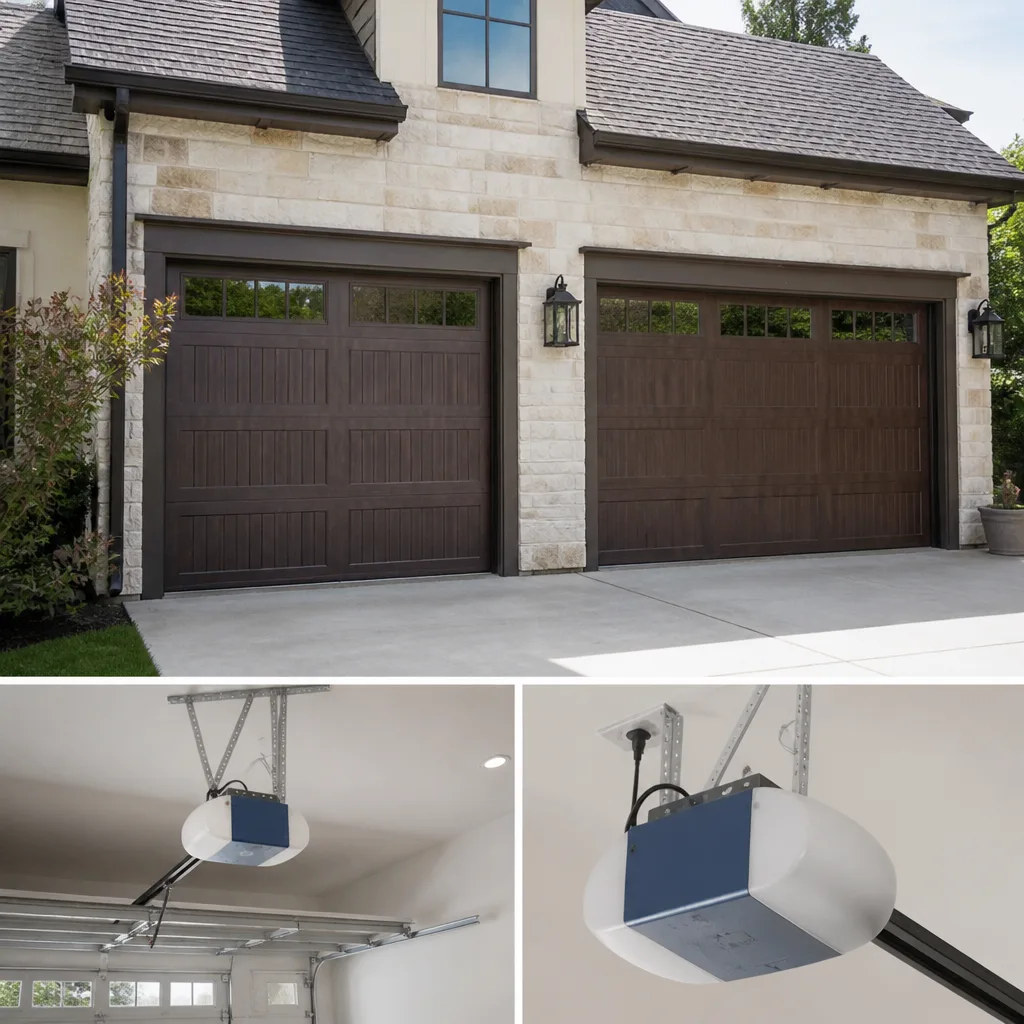 Chamberlain openers
Full 25-point door and opener safety check with every visit - springs, cables, rollers, tracks, and your LiftMaster or Chamberlain opener included
You get a price before we start. It does not change when the pro arrives.
Get your free estimateThe Complete Guide to Garage Doors in Levittown
Most Levittown garages were built for a 1950s Studebaker. If you’ve ever tried to fit a modern SUV through a 9-foot opening with barely 7 feet of headroom, you already know the problem. The houses that made this town famous were designed around cars that no longer exist, and the garage doors that came with them were sized to match. That single fact drives more repair, replacement and opener decisions here than any other. In this guide, we’ll walk through how original Levittown construction limits your modern choices, how Nassau County wind-load rules shape what you can safely hang, when it’s worth cutting a header to gain width, and how to tell a cosmetic upgrade from a structural repair on a 60-year-old frame.
Styles & brands we work with
- Raised-panel steel
- Carriage house
- Modern flush
- Full-view glass
- LiftMaster openers
- Chamberlain openers
Quick Answer
A garage door in Levittown usually needs repair rather than replacement, and the two most common culprits are a broken torsion spring and a worn opener drive. Original Cape Cod and ranch garages here typically have narrow openings and low headroom, so sizing a new door or opener means measuring the actual rough opening, not trusting the old label. Any door you install must meet Nassau County wind-load requirements for section thickness and hardware, and that spec belongs in the written quote before work starts.
Table of Contents
- How Levittown’s Original Dimensions Limit Your Choices
- Why Nassau County Wind-Load Codes Matter
- Brand Compatibility Across Levittown Door Widths
- Header Modification vs. Buying to Fit
- Cosmetic Upgrade or Structural Repair?
- Repair First: Diagnosing Before You Replace
- Choosing an Opener for a Low-Headroom Garage
- What Garage Door Work Costs in Levittown
- Common Mistakes to Avoid
- When to Call a Professional
- Frequently Asked Questions
How Levittown’s Original Dimensions Limit Your Choices
The typical Levittown garage was built to move a compact car in and out, and the opening reflects that. Many of these garages have a single-car opening that measures narrower than the standard most modern door manufacturers build to, and headroom above the door track is tight. That combination creates two problems at once: the door you want may not fit the opening, and the opener you want may not clear the ceiling.
Headroom matters more than most homeowners realize. A torsion spring assembly, the horizontal track and the opener rail all need vertical space above the door. In the low-ceiling garages common across Levittown, that space is often the binding constraint. A technician sizing a replacement door has to measure three things before quoting anything:
- The exact width and height of the finished opening, not the nominal door size.
- The headroom from the top of the opening to the ceiling, plus the depth of the back room behind the track.
- The side clearance on each jamb, which determines what track and hardware will fit.
Get those three numbers wrong and you’ll order a door that won’t open. We’ve seen this play out when a homeowner measures the old door and assumes the label is accurate; decades of settling, patched framing and past repairs mean the opening has usually drifted from whatever was originally hung. Measure the opening itself, every time. If you’re weighing repair against replacement, working through garage door repair first is almost always the cheaper path when the opening and framing are sound.
Why Nassau County Wind-Load Codes Matter
A garage door is the largest moving surface on your house, and on Long Island it’s also a surface the wind pushes against hard. Nassau County building requirements account for that, which means the door you install has to be rated for the wind pressure at its location. That rating shows up in two places: the thickness and reinforcement of the door sections, and the strength of the hardware holding them, including hinges, brackets and the track anchored to your framing.
This is why shopping a door purely by price and color is risky. Two doors can look identical on the showroom floor but carry very different wind ratings, and the lighter one may not be approved for your address. For a Levittown homeowner, the practical takeaway is simple: the wind-load spec belongs in the written quote. Ask for it. A contractor who can’t tell you the design pressure rating of the door they’re proposing is selling you a look, not a system.
Be aware, too, that the hardware spec matters as much as the panel spec. A rated door hung on under-specified brackets and track won’t perform the way its label claims. If your current door has loosened brackets, a sagging top section or hardware that’s been patched over the years, that’s a sign the original install has lost its margin. The best move is to have the whole assembly assessed, not just the panels. If a permit is required for structural changes at your address, ask your town’s building department directly; requirements vary and it’s not something to guess at.
Brand Compatibility Across Levittown Door Widths
The good news for Levittown homeowners is that the major door and opener brands all build products that can be sized to fit the openings found here. What differs is how each line handles the low-headroom, narrow-opening case, and how readily replacement parts are available when something fails.
We work on your brand, not ours. That matters in a town where the same model of door might have been installed on hundreds of homes over the decades and then repaired or replaced piecemeal. If your door is a Clopay or an Amarr, we know the section profiles and where the parts come from. If your opener is a Genie or a Wayne Dalton unit that’s been humming along for years, we can service it rather than pushing you toward a swap. Brand-agnostic service keeps the decision in your hands instead of steering it toward whatever a contractor prefers to sell.
When you’re comparing doors for a Levittown opening, keep these compatibility questions on your list:
- Can this door line be built to my exact opening width, including any non-standard size?
- Does the manufacturer offer a low-headroom configuration for my ceiling height?
- Are replacement sections, springs and hardware available for this model if I need them later?
- Will my existing opener work with this door’s weight and balance, or does it need replacing too?
Those four answers tell you more than a brochure ever will. And if your current door is sound but the opener is failing, garage door opener repair is a far smaller job than replacing the whole system.
Header Modification vs. Buying to Fit
Sooner or later a Levittown homeowner wants a wider opening. Maybe the modern SUV really doesn’t fit, or a growing family wants more clearance for bikes and gear. At that point you face a real decision: modify the header to widen the opening, or buy a door sized to the opening you have. Both are legitimate; they just serve different goals.
A header modification means cutting back the framed opening and rebuilding the structural header above it to carry the load of the wall. That’s structural carpentry, not a door swap, and it should be assessed by someone who understands what’s holding up your house. The payoff is a wider opening and a more modern door. The trade-off is cost, complexity, and the need to get permits right.
Buying to fit means selecting a door built to your existing rough opening. It’s simpler, faster and usually less expensive, and it preserves the original character of a Levittown Cape Cod or ranch. The trade-off is that your opening stays the size it is.
Walk through these steps to decide which path fits your situation:
- Measure the actual rough opening, headroom and side clearance and write the numbers down.
- Compare them against the minimum modern door and vehicle dimensions you need.
- If the gap is small, find a manufacturer that builds to your exact opening before considering structural work.
- If the gap is large and the opening is truly the obstacle, price the header modification and weigh it against the value you get.
- Get a written scope and price for whichever route you pick, before anyone touches the framing.
In our experience, most Levittown homeowners who think they need a wider opening actually just need a door built to the opening they already have, correctly sized and properly specified. The header cut is worth it only when the size limit is the real problem.
Cosmetic Upgrade or Structural Repair?
On a 60-year-old garage frame, the line between “worn out” and “failing structurally” can look thin. A cosmetic upgrade is a new door hung on sound framing with serviceable hardware: paint, finish, maybe a different window arrangement. A structural repair is work on the frame, header, jamb or anchoring that carries the load of the door. Mixing up the two wastes money and can leave a safety problem in place.
Here’s how to tell them apart. Cosmetic concerns are visual: faded panels, peeling finish, a dent from a backed-in bumper, outdated windows. Structural concerns affect how the door moves and how the system carries load: a door that’s off track, a sagging top section, cracked or rotted framing around the jamb, anchors pulling loose from the wood, or a header that’s deflected.
- Cosmetic: Faded paint, surface dents, old windows, an outdated style.
- Structural: Off-track door, loose floor brackets, rotted jamb boards, sagging header, pulled anchors, a door that binds in the opening.
- Both: A sound door on tired framing, or a worn door on framing that’s fine. Either can be addressed, but not with the same scope of work.
If your door is binding, scraping or hanging unevenly, don’t assume it’s the door. On homes of this age, the framing is often the culprit, and the fix is in the structure, not the panels. This is exactly the sort of diagnosis a specialist makes before quoting a replacement. If we’re sending a technician to your Levittown home, the goal is to tell you which problem you actually have.
Repair First: Diagnosing Before You Replace
The most expensive mistake in this trade is replacing a door that didn’t need replacing. A door that won’t open usually has a specific, diagnosable fault, and many of those faults are cheap to fix compared to a new door. The skill is in the diagnosis.
Start with the symptom and work back to the cause:
- The door won’t move and the opener hums. Likely a broken torsion spring or a stripped drive gear in the opener.
- The door moves but feels heavy and stops short. The springs may be worn or out of balance rather than broken.
- The door is crooked or off its track. A roller has jumped, a section is damaged, or a bracket has failed.
- The opener runs but the door doesn’t follow. Check the trolley, the disconnect cord, and the belt or chain.
- The remote works sometimes. Often a battery, a logic board fault, or a safety sensor that’s out of alignment.
Getting this right is what keeps a repair a repair. When a torsion spring lets go, that’s a dedicated job. Our technicians treat garage door spring repair as its own specialty rather than a sideline, because it’s the most hazardous part of the trade and it deserves undivided attention. A spring under tension can cause serious injury if it’s handled without the right tools and technique, so this is not a part to test or remove yourself. If you hear the loud snap and the door won’t lift, call a trained technician.
Our technicians have up to 11 years of experience across the major opener and door brands, which means we’ve seen how a specific model tends to fail and can often tell you what’s wrong from the symptom alone. That’s how a repair stays a repair.
Choosing an Opener for a Low-Headroom Garage
A low-ceiling Levittown garage narrows your opener choices. The rail has to run along the ceiling and the motor unit has to clear it, so the question isn’t just which opener is best, it’s which opener fits the space and matches your door’s weight. A heavier door needs an opener with the right lifting capacity, and a tight ceiling may rule out certain rail configurations.
Here’s a practical checklist for matching an opener to a Levittown garage:
- Measure ceiling height above the door and compare it with the minimum rail clearance for the opener you’re considering.
- Match the opener’s lifting capacity to your door’s actual weight, which depends on its size and material.
- For a bedroom-adjacent garage, prioritize a quiet drive type; belt drives run quieter than chain drives.
- Ask whether the opener has battery backup and a safety reverse that actually works with your door’s balance.
- Confirm the wall control and remotes that come with the unit are the ones you want, not an upsell.
One thing we always flag: if your existing opener is a Genie, Chamberlain, LiftMaster, Craftman or another brand that’s been reliable, a repair rather than a swap is often the smarter move, and the parts are widely available. A specialist will check the opener’s drive and safety systems before recommending a new one. If you’re starting from scratch, a brand-agnostic crew works with whatever’s on the home rather than steering you to a specific product line.
What Garage Door Work Costs in Levittown
Prices on garage door work vary with the job, and the written quote is what sets the final price, not an estimate you read online. Still, it helps to know the shape of typical costs so you can plan. The ranges below are estimates for common work in the Levittown area.
- Torsion spring replacement (single spring): roughly $180 – $340, with a matched pair running about twice that since the pair is usually replaced together.
- Opener repair: roughly $120 – $280 depending on the failed part (belt, gear, logic board, sensor).
- New opener installation: roughly $350 – $700 for the unit and labor, varying with capacity and features.
- Door section or panel replacement: roughly $250 – $650 depending on section size and finish.
- Full new door, including installation, measured and specified for your opening: a project price that reflects size, material, wind rating and any framing work.
Two things to insist on. First, the price is quoted and agreed before any work starts, so there’s no surprise on the invoice. Second, the wind-load rating and any framing scope belong in that written quote, not in a handshake. If a contractor won’t put the spec in writing, keep looking. Estimates with us are free, and we’ll walk you through what your specific door needs.
Common Mistakes to Avoid
- Measuring the old door instead of the opening. After decades of settling and repairs, the label is usually wrong. Measure the rough opening, headroom and side clearance every time.
- Buying a door by look and price alone. A door without the right wind-load rating for a Levittown address may not be approvable. Ask for the design pressure rating in writing.
- Assuming every problem needs a new door. Off-track doors, failed openers and broken springs are usually fixable. Diagnose first, replace last.
- Replacing one spring of a pair. Matched springs are designed to work together and are typically replaced together, so a single-spring price times two is the honest number.
- Cutting the header without understanding the load. Widening an opening is structural carpentry. Get it assessed by someone qualified, and check what permits your town requires.
- Mistaking rot for cosmetic wear. Rotting jamb boards or loose anchors on an older frame are structural. Painting over them doesn’t fix what’s carrying the door.
- Trying to handle a torsion spring yourself. These springs are under enormous tension. Without the right tools and training, the risk of serious injury is real. Leave it to a professional.
When to Call a Professional
Some jobs are fine to check yourself; others aren’t. Call a professional when the door won’t open or close and the opener hums, when you hear a loud snap from the spring area, when the door is crooked or off its track, or when a bracket has torn loose from rotting wood. Anything involving a torsion spring, high-tension cable or electrical work at the opener is dangerous without training, so it belongs with a technician. A door that fails in the evening or on a day we’re closed can usually be booked for early mornings or the next available slot, and a broken door that leaves the garage open is a reason to call sooner rather than later. Levittown Garage Door Repair Experts offers free estimates in Levittown, so there’s no cost to finding out what your door needs. Call (877) 770-2029.
Frequently Asked Questions
Most Levittown garage doors can be repaired rather than replaced, especially when the framing is sound and the fault is a spring, opener, track or bracket. Replacement is the better call when the frame itself has failed, the door is damaged beyond sensible repair, or you’re changing the opening size. The diagnosis comes first, and it’s what saves you money.
Because the original garages were built around smaller cars, so openings are often narrower and headroom lower than modern standards. Sizing a new door or opener means measuring the actual rough opening and ceiling clearance, not the old door’s label. Some doors can be built to your exact opening, which avoids structural work.
A single torsion spring replacement typically runs about $180 – $340, and a matched pair costs roughly twice that since the two springs are usually replaced together. The written estimate sets the final price. Call (877) 770-2029 for an exact quote; estimates are free.
Not automatically. Wind-load requirements depend on the door’s section thickness and hardware spec for your location, so the rating has to be matched to the address. Always ask for the design pressure rating in the written quote. If structural changes are involved, ask your town’s building department what permits apply.
Yes. We service the major opener brands rather than steering you toward a new product line, so a Genie, Chamberlain or LiftMaster unit on your home can usually be repaired instead of swapped. Technicians arrive knowing the common failure points for the brand in question.
No, not when you’ve agreed to a written quote before work starts. The quote is what sets the price, and anything discovered during the job is discussed and agreed with you before it’s added. That’s the standard we hold to on every Levittown job.
The Bottom Line
Garage doors in Levittown are shaped by two things that rarely show up in generic guides: the narrow openings and low headroom of the town’s original housing stock, and the wind-load requirements that govern what you can safely install on Long Island. Measure the actual opening, get the wind rating and the framing scope into the written quote, and fix the specific fault before replacing a door that still has life in it. Torsion springs and opener logic boards aren’t a place to improvise. When you’re ready for a straight answer on what your door needs, call Levittown Garage Door Repair Experts at (877) 770-2029 for a free estimate.
Written by the team at Levittown Garage Door Repair Experts.
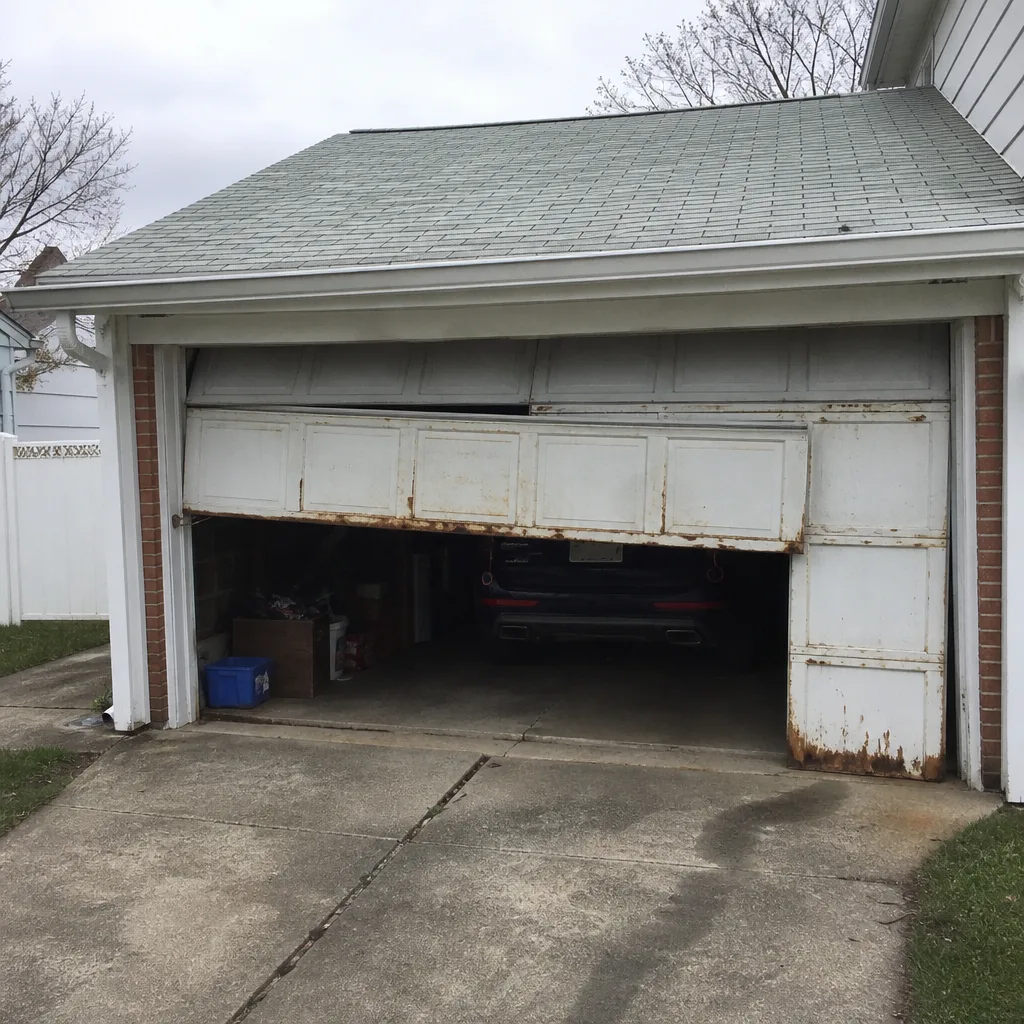
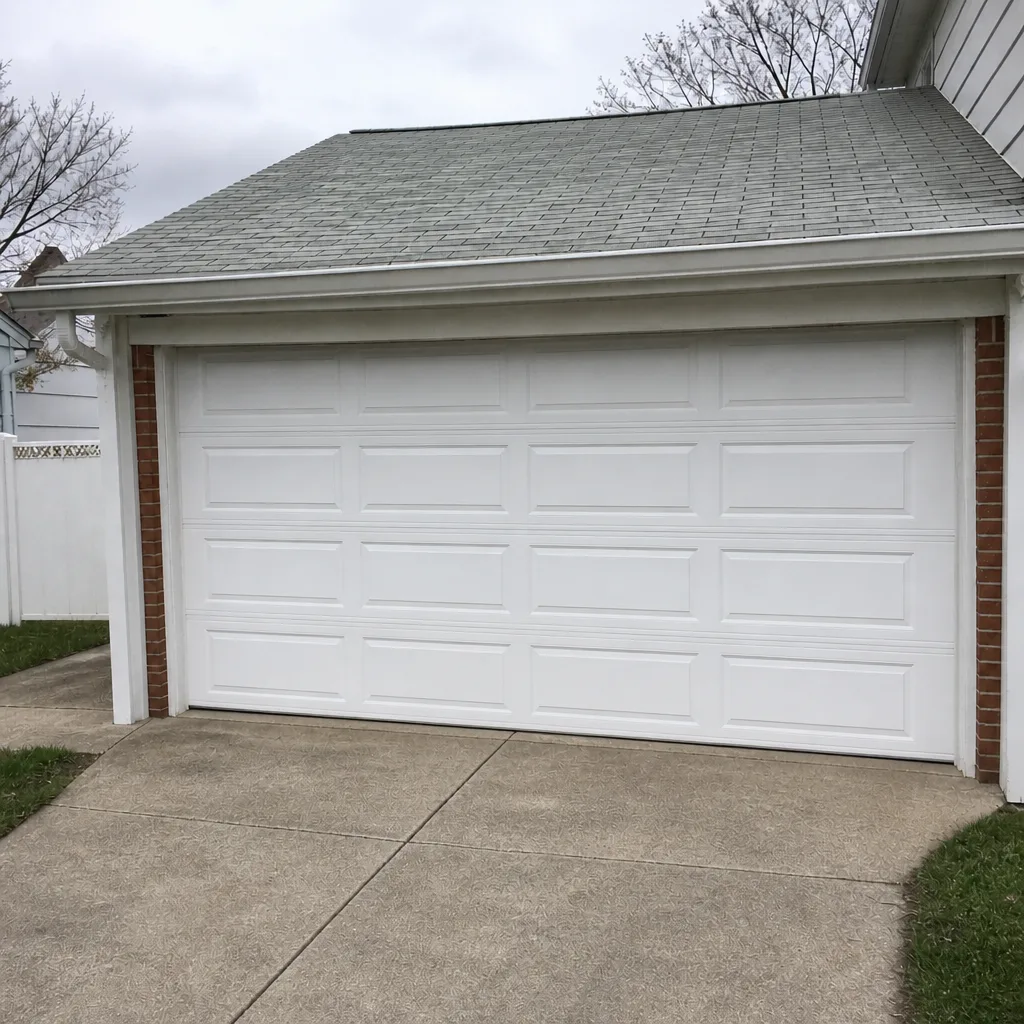
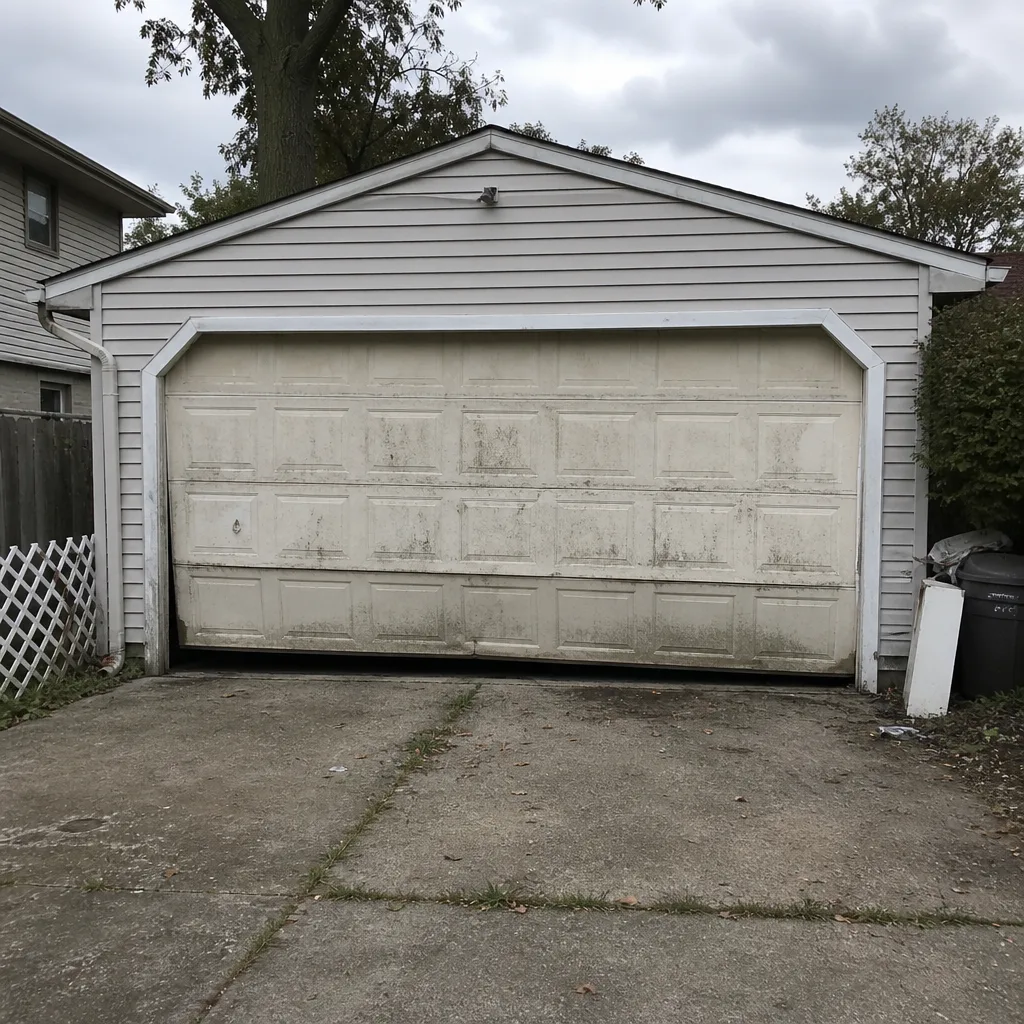
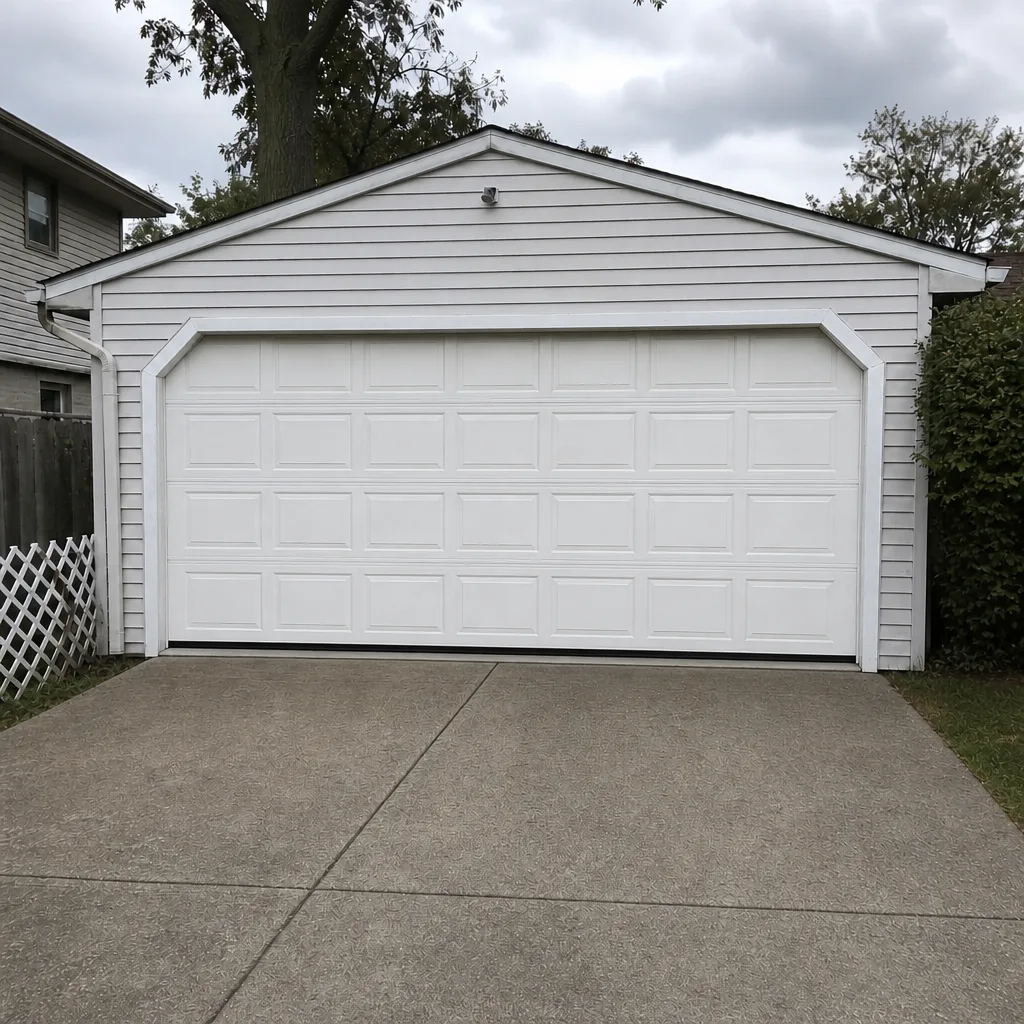
See the difference
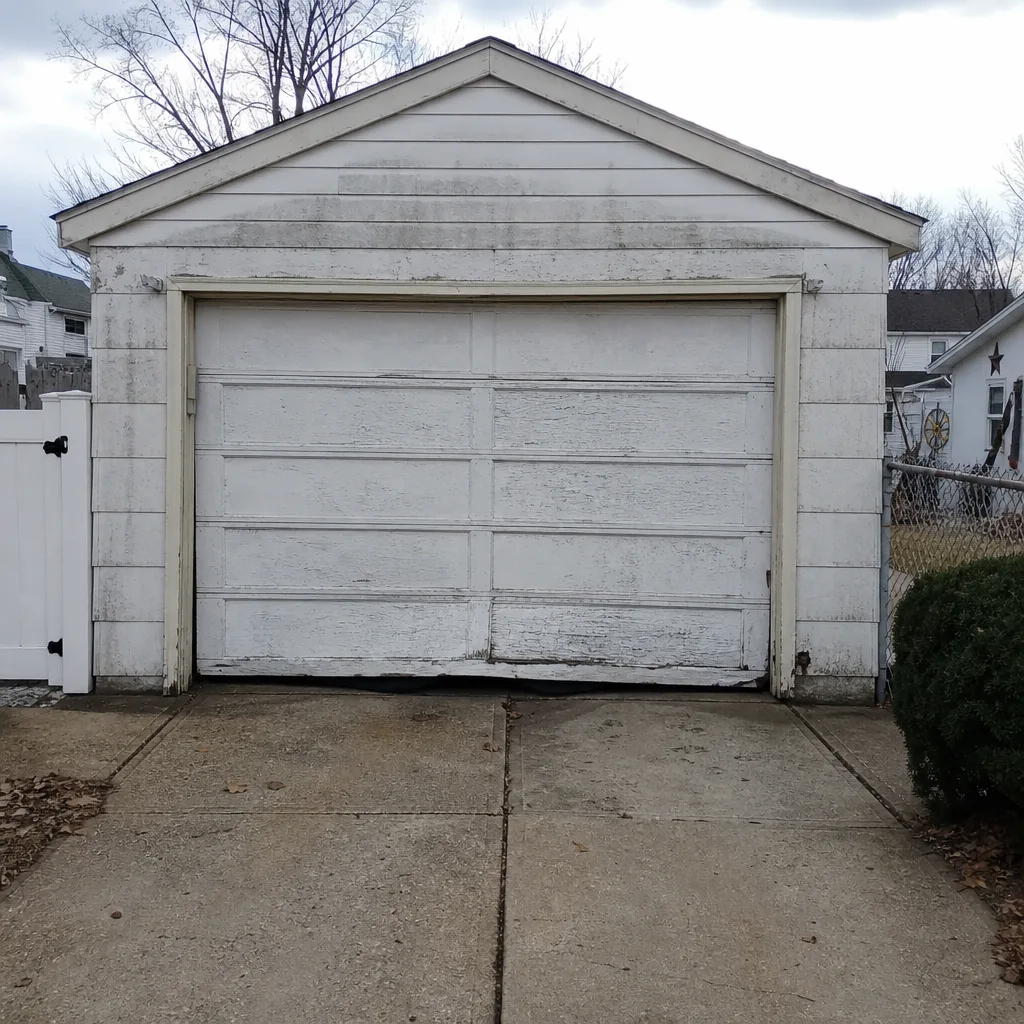 Before
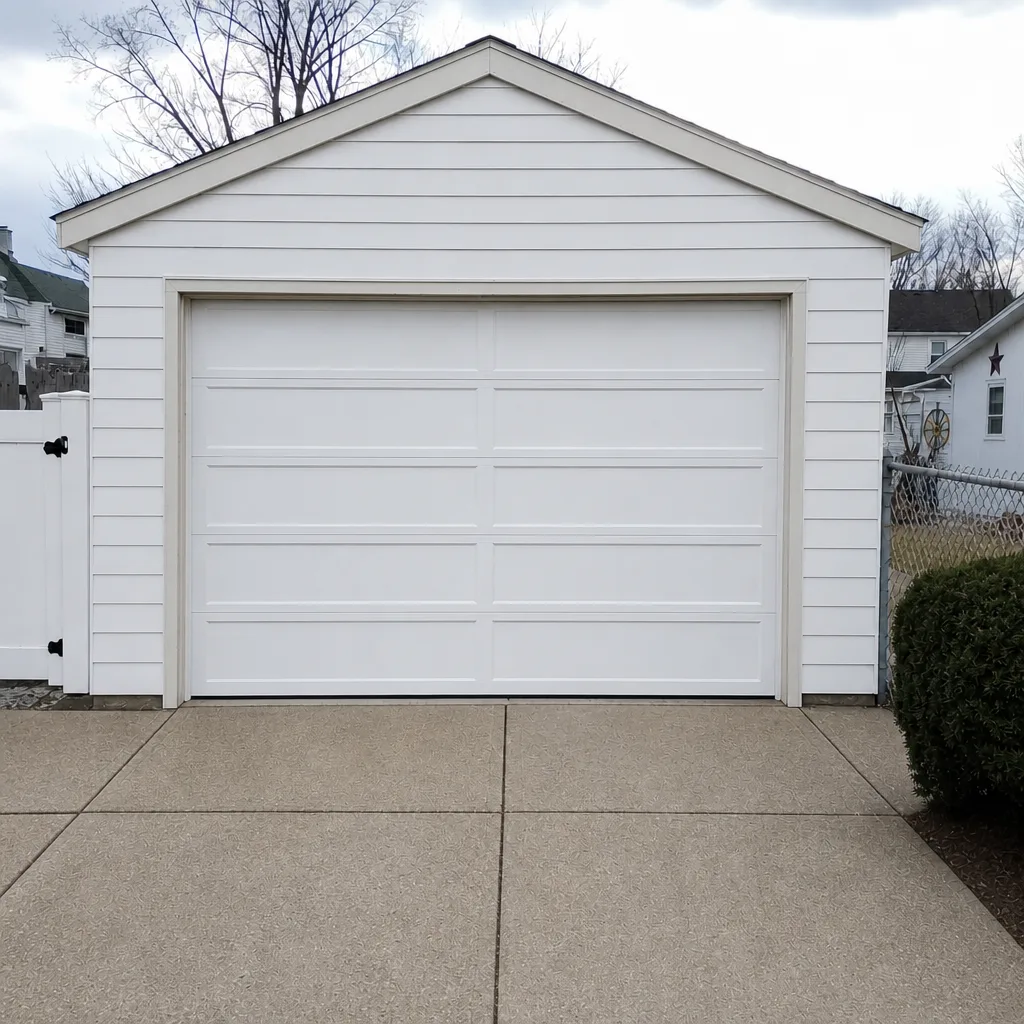 After
 Before
 After
 Before
 After